


- Afhalen na 1 uur in een winkel met voorraad
- Gratis thuislevering in België vanaf € 30
- Ruim aanbod met 7 miljoen producten
- Afhalen na 1 uur in een winkel met voorraad
- Gratis thuislevering in België vanaf € 30
- Ruim aanbod met 7 miljoen producten





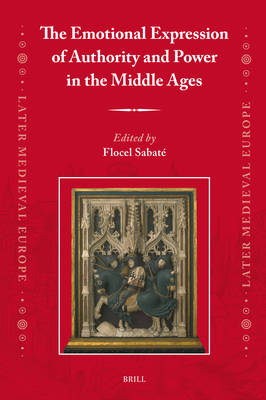
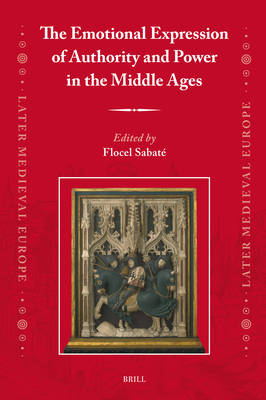
The Emotional Expression of Authority and Power in the Middle Ages
€ 120,00
+ 240 punten
Omschrijving
The relationship between rulers and their subjects is always channelled by emotion. This volume explores the specific tones this relationship took on in the Middle Ages, as well as their accordance with a concept of power based ultimately on agreement, an inclination to visualise emotions, a social pedagogy based on fear, and a religious ideology which placed humanity between divine order and divine wrath. It also examines the emotive models used to rule society and deal with conflicts. Together, the contributions in this book demonstrate how our understanding of late medieval society can be enhanced by recognising the emotional strategies present in the game of power and how they were used to build authority.
Contributors are: Alexandru Stefan Anca, Attila Bárány, Ulrike Becker, Luciano Gallinari, Sari Katajala-Peltomaa, Vinni Lucherini, Esther Martí Sentañés, Francesc Massip, Rob Meens, Tamás Olbei, Bernard Ribémont, Flocel Sabaté, and Hans-Joachim Schmidt.
Contributors are: Alexandru Stefan Anca, Attila Bárány, Ulrike Becker, Luciano Gallinari, Sari Katajala-Peltomaa, Vinni Lucherini, Esther Martí Sentañés, Francesc Massip, Rob Meens, Tamás Olbei, Bernard Ribémont, Flocel Sabaté, and Hans-Joachim Schmidt.
Specificaties
Betrokkenen
- Uitgeverij:
Inhoud
- Aantal bladzijden:
- 280
- Taal:
- Engels
- Reeks:
- Reeksnummer:
- nr. 28
Eigenschappen
- Productcode (EAN):
- 9789004719088
- Verschijningsdatum:
- 27/02/2025
- Uitvoering:
- Hardcover
- Formaat:
- Genaaid
- Afmetingen:
- 162 mm x 240 mm
- Gewicht:
- 571 g

Alleen bij Standaard Boekhandel
+ 240 punten op je klantenkaart van Standaard Boekhandel
Cadeau

AANGERADEN


Beoordelingen
We publiceren alleen reviews die voldoen aan de voorwaarden voor reviews. Bekijk onze voorwaarden voor reviews.