


- Afhalen na 1 uur in een winkel met voorraad
- Gratis thuislevering in België vanaf € 30
- Ruim aanbod met 7 miljoen producten
- Afhalen na 1 uur in een winkel met voorraad
- Gratis thuislevering in België vanaf € 30
- Ruim aanbod met 7 miljoen producten





€ 13,41
+ 13 punten
Uitvoering
Eenvoudig bestellen
Veilig betalen


Onmiddellijk geleverd via e-mail
Omschrijving
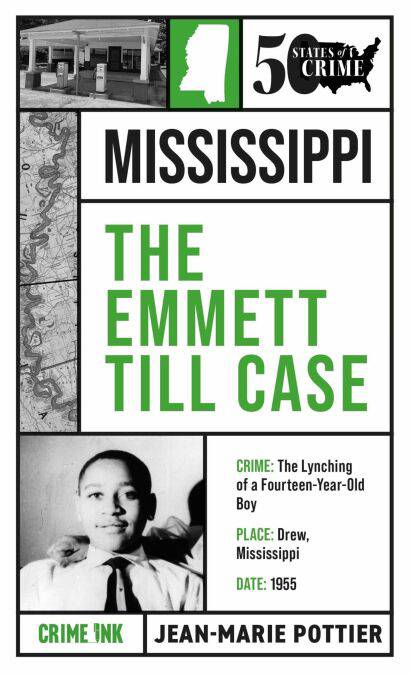
At the end of August 1955, the lifeless and disfigured body of a teenager was fished out of the Tallahatchie River in Mississippi. The body was that of Emmett Till, a fourteen-year-old Black boy from Chicago who had come to spend the vacations with his mother's family. A few days earlier, he had been seen in conversation with Carolyn Bryant, a young white shopkeeper, to whom, according to some witnesses, he had made advances. Roy Bryant, her husband, and J.W. Milam, her brother-in-law, picked up Till in the middle of the night at his uncle's house. He was never seen alive again.
The two men were quickly arrested and brought to trial. A month later, a jury of twelve white men acquitted them after an hour-long deliberation. Seventy years later, the Till case has become a milestone in American civil rights history. But the criminal case is still not entirely solved as new elements continue to emerge. The Till case will weigh heavily on American history for many years to come.
50 States of Crime: France's leading true crime journalists investigate America's most notorious cases, one for every state in the Union, offering up fresh perspectives on famously storied crimes and reflecting, in the process, a dark national legacy that leads from coast to coast.
The two men were quickly arrested and brought to trial. A month later, a jury of twelve white men acquitted them after an hour-long deliberation. Seventy years later, the Till case has become a milestone in American civil rights history. But the criminal case is still not entirely solved as new elements continue to emerge. The Till case will weigh heavily on American history for many years to come.
50 States of Crime: France's leading true crime journalists investigate America's most notorious cases, one for every state in the Union, offering up fresh perspectives on famously storied crimes and reflecting, in the process, a dark national legacy that leads from coast to coast.
Specificaties
Betrokkenen
- Auteur(s):
- Vertaler(s):
- Uitgeverij:
Inhoud
- Aantal bladzijden:
- 240
- Taal:
- Engels
- Reeks:
Eigenschappen
- Productcode (EAN):
- 9781613166932
- Verschijningsdatum:
- 1/09/2025
- Uitvoering:
- E-book
- Beveiligd met:
- Adobe DRM
- Formaat:
- ePub



Alleen bij Standaard Boekhandel
+ 13 punten op je klantenkaart van Standaard Boekhandel
CADEAU

AANGERADEN


Beoordelingen
We publiceren alleen reviews die voldoen aan de voorwaarden voor reviews. Bekijk onze voorwaarden voor reviews.