


- Afhalen na 1 uur in een winkel met voorraad
- Gratis thuislevering in België vanaf € 30
- Ruim aanbod met 7 miljoen producten
- Afhalen na 1 uur in een winkel met voorraad
- Gratis thuislevering in België vanaf € 30
- Ruim aanbod met 7 miljoen producten





Omschrijving
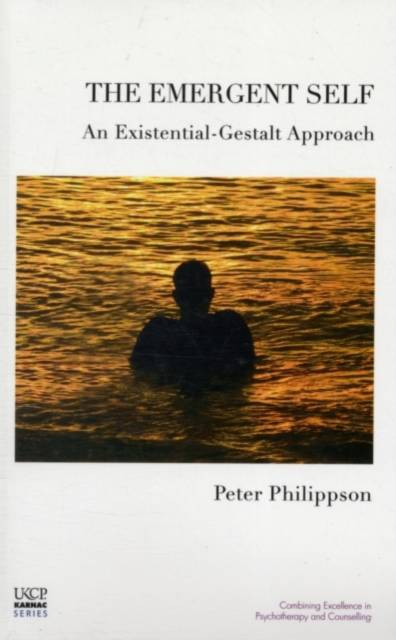
This book tracks a particular understanding of self, philosophically, from research evidence and in its implications for psychotherapy. At each step, the author includes first the theory he is working from, then the clinical implications of the theory, followed by some links to the philosophical outlook inherent in the theory, and finally a more extended case example.It takes the view that the continuing self is partly an illusion, partly a construct, and that we in fact have to work to stay the same in the face of all the different possibilities the world offers us. The author believes that we do this for two reasons. First of all, continuity allows deeper contact: friendships, loving relationships with partners and families. Secondly, and balancing this, the predictable is less anxiety-producing, and that we avoid this existential anxiety by acting in a stereotyped way and avoiding some of the depths of contact.
Specificaties
Betrokkenen
- Auteur(s):
- Uitgeverij:
Inhoud
- Aantal bladzijden:
- 160
- Taal:
- Engels
- Reeks:
Eigenschappen
- Productcode (EAN):
- 9781855755253
- Verschijningsdatum:
- 31/12/2009
- Uitvoering:
- Paperback
- Formaat:
- Trade paperback (VS)
- Afmetingen:
- 145 mm x 224 mm
- Gewicht:
- 249 g


Alleen bij Standaard Boekhandel
+ 131 punten op je klantenkaart van Standaard Boekhandel
Cadeau

AANGERADEN


Beoordelingen
We publiceren alleen reviews die voldoen aan de voorwaarden voor reviews. Bekijk onze voorwaarden voor reviews.