


- Afhalen na 1 uur in een winkel met voorraad
- Gratis thuislevering in België vanaf € 30
- Ruim aanbod met 7 miljoen producten
- Afhalen na 1 uur in een winkel met voorraad
- Gratis thuislevering in België vanaf € 30
- Ruim aanbod met 7 miljoen producten





€ 140,95
+ 281 punten
Omschrijving
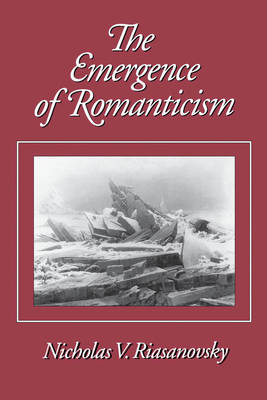
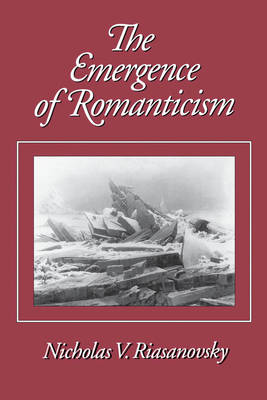
Although primarily known as an eminent historian of Russia, Nicholas Riasanovsky has been a longtime student of European Romanticism. In this book, Riasanovsky offers a refreshing and appealing new interpretation of Romanticism's goals and influence. He searches for the origins of the dazzling vision that made the great early Romantic poets in England and Germany--Wordsworth, Coleridge, Novalis, and Friedrich Schlegel--look at the world in a new way. He stresses that Romanticism was produced only by Western Christian civilization, with its unique view of humankind's relationship to God. The Romantic's frantic and heroic striving after unreachable goals mirrors Christian beliefs in human inability to adequately address God, speak to God, or praise God. Further, Riasanovsky argues that Romantic thought had important political implications, playing a key role in the rise of nationalism in Europe. Offering a historical examination of an area often limited to literary analysis, this book gracefully makes a larger historical statement about the nature and centrality of European Romanticism.
Specificaties
Betrokkenen
- Auteur(s):
- Uitgeverij:
Inhoud
- Aantal bladzijden:
- 128
- Taal:
- Engels
Eigenschappen
- Productcode (EAN):
- 9780195096460
- Verschijningsdatum:
- 18/05/1995
- Uitvoering:
- Paperback
- Formaat:
- Trade paperback (VS)
- Afmetingen:
- 155 mm x 233 mm
- Gewicht:
- 213 g


Alleen bij Standaard Boekhandel
+ 281 punten op je klantenkaart van Standaard Boekhandel
Cadeau

AANGERADEN


Beoordelingen
We publiceren alleen reviews die voldoen aan de voorwaarden voor reviews. Bekijk onze voorwaarden voor reviews.