


- Afhalen na 1 uur in een winkel met voorraad
- Gratis thuislevering in België vanaf € 30
- Ruim aanbod met 7 miljoen producten
- Afhalen na 1 uur in een winkel met voorraad
- Gratis thuislevering in België vanaf € 30
- Ruim aanbod met 7 miljoen producten





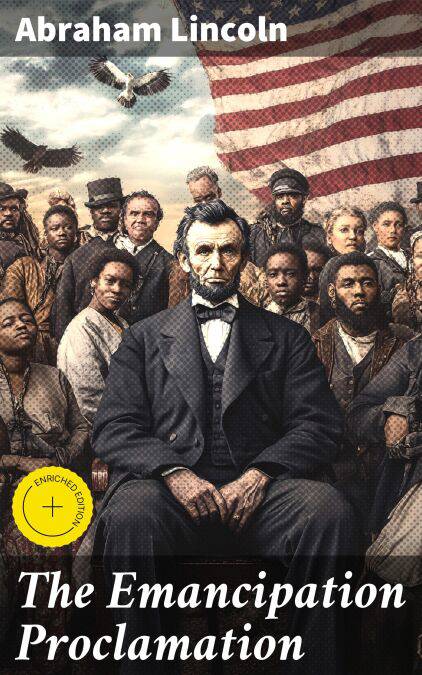
The Emancipation Proclamation E-BOOK
Enriched edition. A Turning Point in American History: The Power of Emancipation
Abraham Lincoln
E-book | Engels
€ 0,99
Uitvoering
Omschrijving
The Emancipation Proclamation, issued by President Abraham Lincoln on January 1, 1863, stands as a watershed document in American history, marking the formal commencement of freedom for enslaved individuals in the Confederate states. Written in a concise and authoritative style, this proclamation not only signals a moral turning point in the Civil War but also serves as a pivotal constitutional measure to redefine freedom and statehood. Lincoln's use of language is both pragmatic and visionary, reflecting a deep understanding of the sociopolitical landscape of his time, as well as an unwavering commitment to justice and liberty that resonates throughout the ages. Abraham Lincoln, the 16th President of the United States, was profoundly influenced by his experiences with slavery and his belief in the principles of equality and human rights. His formative years in Illinois, coupled with the moral arguments presented by abolitionists, shaped his steadfast resolve to address the issue of slavery. The Emancipation Proclamation can be viewed as the culmination of his political evolution and leadership during one of America's most turbulent periods, emphasizing his role not just as a politician but as a moral leader articulated through his powerful prose. This book is essential for readers interested in the intersections of law, politics, and morality. Lincoln's words continue to echo through modern discussions on civil rights, making The Emancipation Proclamation not just a historical document, but a lasting call for justice which invites contemporary readers to reflect on its significance and relevance in today's society.
In this enriched edition, we have carefully created added value for your reading experience:
- A succinct Introduction situates the work's timeless appeal and themes.
- The Synopsis outlines the central plot, highlighting key developments without spoiling critical twists.
- A detailed Historical Context immerses you in the era's events and influences that shaped the writing.
- An Author Biography reveals milestones in the author's life, illuminating the personal insights behind the text.
- A thorough Analysis dissects symbols, motifs, and character arcs to unearth underlying meanings.
- Reflection questions prompt you to engage personally with the work's messages, connecting them to modern life.
- Hand‐picked Memorable Quotes shine a spotlight on moments of literary brilliance.
- Interactive footnotes clarify unusual references, historical allusions, and archaic phrases for an effortless, more informed read.
In this enriched edition, we have carefully created added value for your reading experience:
- A succinct Introduction situates the work's timeless appeal and themes.
- The Synopsis outlines the central plot, highlighting key developments without spoiling critical twists.
- A detailed Historical Context immerses you in the era's events and influences that shaped the writing.
- An Author Biography reveals milestones in the author's life, illuminating the personal insights behind the text.
- A thorough Analysis dissects symbols, motifs, and character arcs to unearth underlying meanings.
- Reflection questions prompt you to engage personally with the work's messages, connecting them to modern life.
- Hand‐picked Memorable Quotes shine a spotlight on moments of literary brilliance.
- Interactive footnotes clarify unusual references, historical allusions, and archaic phrases for an effortless, more informed read.
Specificaties
Betrokkenen
- Auteur(s):
- Uitgeverij:
Inhoud
- Aantal bladzijden:
- 101
- Taal:
- Engels
Eigenschappen
- Productcode (EAN):
- 4064066106508
- Verschijningsdatum:
- 15/03/2020
- Uitvoering:
- E-book
- Beveiligd met:
- Digital watermarking
- Formaat:
- ePub


Alleen bij Standaard Boekhandel
Cadeau

AANGERADEN


Beoordelingen
We publiceren alleen reviews die voldoen aan de voorwaarden voor reviews. Bekijk onze voorwaarden voor reviews.