


- Afhalen na 1 uur in een winkel met voorraad
- Gratis thuislevering in België vanaf € 30
- Ruim aanbod met 7 miljoen producten
- Afhalen na 1 uur in een winkel met voorraad
- Gratis thuislevering in België vanaf € 30
- Ruim aanbod met 7 miljoen producten




€ 2,99
+ 2 punten
Uitvoering
Omschrijving
"Hegel says somewhere that that great historic facts and personages recur twice. He forgot to add: "Once as tragedy, and again as farce."
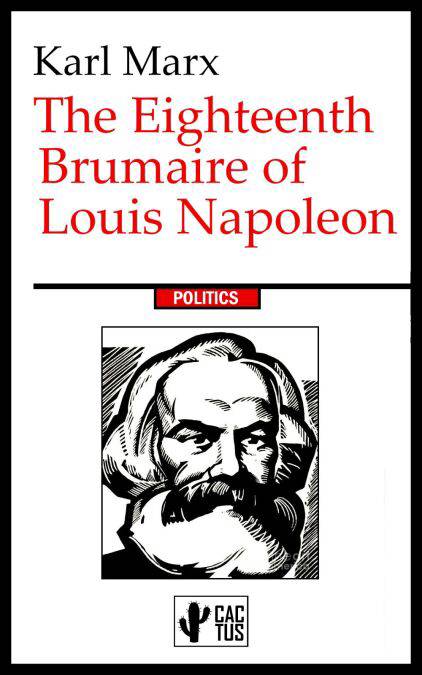
With this famous opening line, Karl Marx launches into one of the most brilliant and biting works of political analysis ever written. In 1851, Louis Napoleon Bonaparte, nephew of the great emperor, seized absolute power in France through a coup d'état. To the stunned observers of the day, it was an inexplicable reversal of history.
Marx alone could unravel the paradox. The Eighteenth Brumaire is his breathtaking account of how a mediocre adventurer could triumph, not despite the chaos of parliamentary democracy, but because of it. He masterfully dissects the class conflicts, the betrayals, and the political cowardice that left a republic helpless against a man who appealed to the basest instincts of the masses.
More than just a history of a single event, this is the work that gives us the timeless concepts of "class struggle" and "the dictatorship of the bourgeoisie" in action. It is a searing portrayal of how history repeats itself—first as tragedy, then as farce—and a chillingly relevant study of the fragility of democracy when confronted by populist authoritarianism.
With this famous opening line, Karl Marx launches into one of the most brilliant and biting works of political analysis ever written. In 1851, Louis Napoleon Bonaparte, nephew of the great emperor, seized absolute power in France through a coup d'état. To the stunned observers of the day, it was an inexplicable reversal of history.
Marx alone could unravel the paradox. The Eighteenth Brumaire is his breathtaking account of how a mediocre adventurer could triumph, not despite the chaos of parliamentary democracy, but because of it. He masterfully dissects the class conflicts, the betrayals, and the political cowardice that left a republic helpless against a man who appealed to the basest instincts of the masses.
More than just a history of a single event, this is the work that gives us the timeless concepts of "class struggle" and "the dictatorship of the bourgeoisie" in action. It is a searing portrayal of how history repeats itself—first as tragedy, then as farce—and a chillingly relevant study of the fragility of democracy when confronted by populist authoritarianism.
Specificaties
Betrokkenen
- Auteur(s):
- Vertaler(s):
- Uitgeverij:
Inhoud
- Taal:
- Engels
Eigenschappen
- Productcode (EAN):
- 9791256795536
- Verschijningsdatum:
- 25/11/2025
- Uitvoering:
- E-book
- Beveiligd met:
- Digital watermarking
- Formaat:
- ePub


Alleen bij Standaard Boekhandel
+ 2 punten op je klantenkaart van Standaard Boekhandel
Cadeau

AANGERADEN


Beoordelingen
We publiceren alleen reviews die voldoen aan de voorwaarden voor reviews. Bekijk onze voorwaarden voor reviews.