


- Afhalen na 1 uur in een winkel met voorraad
- Gratis thuislevering in België vanaf € 30
- Ruim aanbod met 7 miljoen producten
- Afhalen na 1 uur in een winkel met voorraad
- Gratis thuislevering in België vanaf € 30
- Ruim aanbod met 7 miljoen producten





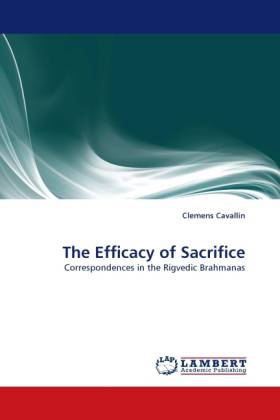
The Efficacy of Sacrifice
Correspondences in the Rigvedic Brahmanas
Clemens Cavallin
Paperback | Engels
€ 77,95
+ 155 punten
Omschrijving
This book analyses the sacrificial world view of the Vedic Brahmana texts with particular attention to the Aitareya Brahmana. The question in focus is how these texts argue for the efficacy of the Vedic sacrificial acts; how they built up legitimacy for sacrifices that became more and more elaborate, time consuming and costly. The main strategy of the Brahmana texts is to explain the power of Sacrifice as resting upon an intricate web of correspondences between entities within and outside of the ritual enclosure. The directions of these correspondences are mainly from the ritual realm to entities within categories such as Cosmos, Varna, Animals and Man. Of these, Man constitutes the most important category, and within it the breaths (i.e. the vital powers of man) occupy a prominent place. The frequent use of breath, or the breaths, as the goal of the sacrificial rituals, however, initiates a process that undermines the intricate system of correspondences. The sacrifice becomes dependent on human interiority both for its efficacy (the knowledge of the correspondences) and for its goal (the vital powers of man).
Specificaties
Betrokkenen
- Auteur(s):
- Uitgeverij:
Inhoud
- Aantal bladzijden:
- 236
- Taal:
- Engels
Eigenschappen
- Productcode (EAN):
- 9783843389563
- Verschijningsdatum:
- 17/01/2011
- Uitvoering:
- Paperback
- Afmetingen:
- 150 mm x 220 mm
- Gewicht:
- 330 g


Alleen bij Standaard Boekhandel
+ 155 punten op je klantenkaart van Standaard Boekhandel
Cadeau

AANGERADEN


Beoordelingen
We publiceren alleen reviews die voldoen aan de voorwaarden voor reviews. Bekijk onze voorwaarden voor reviews.