


- Afhalen na 1 uur in een winkel met voorraad
- Gratis thuislevering in België vanaf € 30
- Ruim aanbod met 7 miljoen producten
- Afhalen na 1 uur in een winkel met voorraad
- Gratis thuislevering in België vanaf € 30
- Ruim aanbod met 7 miljoen producten





€ 27,45
+ 54 punten
Omschrijving
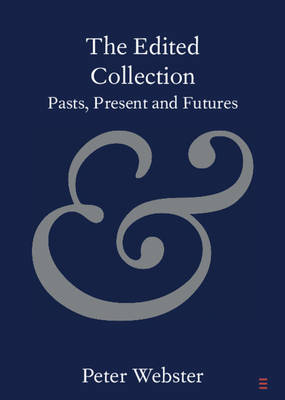
Edited collections are widely supposed to contain lesser work than scholarly journals; to be incoherent as volumes, no more than the sum of their parts; and to be less visible to potential readers once published. It is also often taken as axiomatic that those who make decisions in relation to hiring, promotion, tenure, and funding do so agree. To publish in or edit an essay collection is thought to risk being penalised for the format before even a word is read. After examining the origins of this critique, this Element explores the modern history of the edited collection and the particular roles it has played. It examines each component part of the critique, showing that they are either largely unfounded or susceptible of solution. It proposes the edited collection as a model of one possible idea of scholarly community: collaboration, trust, and mutual obligation in pursuit of a wider good.
Specificaties
Betrokkenen
- Auteur(s):
- Uitgeverij:
Inhoud
- Aantal bladzijden:
- 88
- Taal:
- Engels
- Reeks:
Eigenschappen
- Productcode (EAN):
- 9781108739375
- Verschijningsdatum:
- 4/06/2020
- Uitvoering:
- Paperback
- Formaat:
- Trade paperback (VS)
- Afmetingen:
- 127 mm x 178 mm
- Gewicht:
- 81 g


Alleen bij Standaard Boekhandel
+ 54 punten op je klantenkaart van Standaard Boekhandel
Cadeau

AANGERADEN


Beoordelingen
We publiceren alleen reviews die voldoen aan de voorwaarden voor reviews. Bekijk onze voorwaarden voor reviews.