


- Afhalen na 1 uur in een winkel met voorraad
- Gratis thuislevering in België vanaf € 30
- Ruim aanbod met 7 miljoen producten
- Afhalen na 1 uur in een winkel met voorraad
- Gratis thuislevering in België vanaf € 30
- Ruim aanbod met 7 miljoen producten





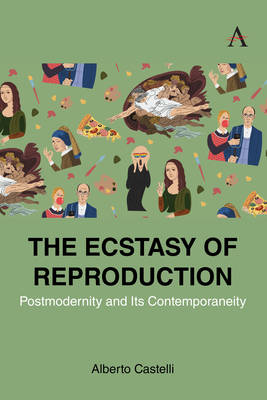
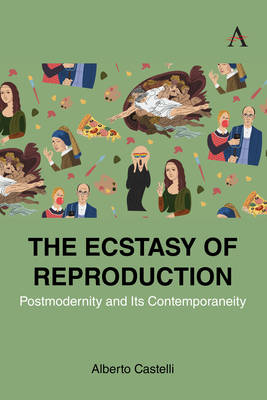
The Ecstasy of Reproduction
Postmodernity and Its Contemporaneity
Alberto Castelli
Hardcover | Engels
€ 177,45
+ 354 punten
Omschrijving
The Ecstasy of Reproduction strives to describe contemporaneity. The subject is the first quarter of the 21st century which the author sees as a condition of historical crisis. Therefore, he analyzes its moral, sociological, and aesthetic expression. We do not need another book on postmodernity, but we need to know where we are along the postmodern turn. Because, of course, we are still in it. We are at least a century away from its ending. "The claim that postmodernism has not ended and that understanding this is a crucial component to understanding contemporary culture differentiates my claim from the vast majority of scholarship on the period, which demands that postmodernism has ended (whether in 1989 or 2001 or 2008, etc.). My reading of cultural objects presents some polemic allegations that are generative into thinking through the distinctions in making charge about whether postmodernism has or has not ended." The author questions the possibility of creation, culture, the writer, and the artist. Ca va sans dire originality is a thing of the past. The one of the present age is not an exercise of plagiarism, it is simply that to create is to reproduce. Castelli writes this text with immense intellectual responsibility and feels that history is a vanishing process. If the artificiality of hyperreality is more real than reality, then it is difficult to believe that science is progress. Even more when a mass of anonymous consumers dances in unison before a hologram.
Specificaties
Betrokkenen
- Auteur(s):
- Uitgeverij:
Inhoud
- Aantal bladzijden:
- 166
- Taal:
- Engels
Eigenschappen
- Productcode (EAN):
- 9781839998720
- Verschijningsdatum:
- 3/02/2026
- Uitvoering:
- Hardcover
- Formaat:
- Genaaid
- Afmetingen:
- 152 mm x 229 mm
- Gewicht:
- 394 g


Alleen bij Standaard Boekhandel
+ 354 punten op je klantenkaart van Standaard Boekhandel
Cadeau

AANGERADEN


Beoordelingen
We publiceren alleen reviews die voldoen aan de voorwaarden voor reviews. Bekijk onze voorwaarden voor reviews.