


- Afhalen na 1 uur in een winkel met voorraad
- Gratis thuislevering in België vanaf € 30
- Ruim aanbod met 7 miljoen producten
- Afhalen na 1 uur in een winkel met voorraad
- Gratis thuislevering in België vanaf € 30
- Ruim aanbod met 7 miljoen producten





€ 8,45
+ 16 punten
Omschrijving
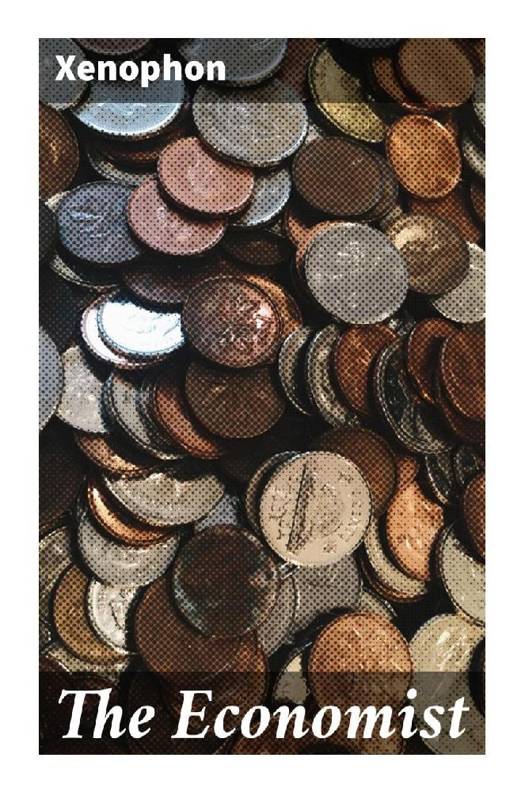
Xenophon's The Economist, more commonly known as the Oeconomicus, is a Socratic dialogue devoted to the art of household management, estate stewardship, and the moral foundations of practical life. Through Socrates' conversations with Critobulus and the exemplary landowner Ischomachus, the work joins philosophy to agriculture, finance, marriage, and education. Its lucid Attic prose, orderly argument, and concrete imagery place it between classical ethical inquiry and early economic thought. Xenophon, an Athenian soldier, historian, and disciple of Socrates, wrote from a life shaped by political displacement, military command, and close observation of leadership. His experience managing men and resources, especially after the expedition described in the Anabasis, informs his interest in discipline, hierarchy, and useful knowledge. Unlike Plato's more metaphysical Socrates, Xenophon's teacher is practical, civic-minded, and attentive to virtue in everyday administration. This book is recommended to readers interested in classical philosophy, ancient economics, gender and household relations, or the origins of managerial thinking. Compact yet rich, The Economist reveals how the Greeks connected prosperity with character, order, and self-command.
Specificaties
Betrokkenen
- Auteur(s):
- Vertaler(s):
- Uitgeverij:
Inhoud
- Taal:
- Engels
Eigenschappen
- Productcode (EAN):
- 9788027283668
- Uitvoering:
- Paperback
- Afmetingen:
- 152 mm x 229 mm
- Gewicht:
- 120 g


Alleen bij Standaard Boekhandel
+ 16 punten op je klantenkaart van Standaard Boekhandel
Cadeau

AANGERADEN


Beoordelingen
We publiceren alleen reviews die voldoen aan de voorwaarden voor reviews. Bekijk onze voorwaarden voor reviews.