


- Afhalen na 1 uur in een winkel met voorraad
- Gratis thuislevering in België vanaf € 30
- Ruim aanbod met 7 miljoen producten
- Afhalen na 1 uur in een winkel met voorraad
- Gratis thuislevering in België vanaf € 30
- Ruim aanbod met 7 miljoen producten





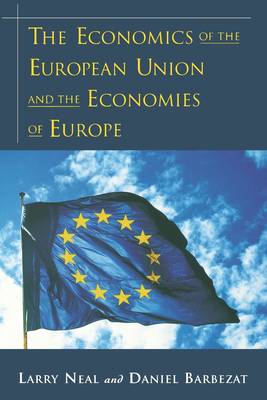
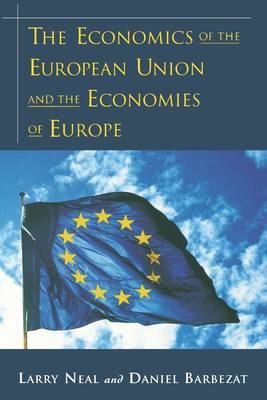
The Economics of the European Union and the Economies of Europe
Larry Neal, Daniel Barbezat
Paperback | Engels
€ 279,95
+ 559 punten
Omschrijving
The Economics of the European Union and the Economies of Europe integrates economic analysis, political logic, and historical interpretation to convey an American perspective on the movement towards European integration, the external constraints integration faces, and the interplay of national concerns, both economic and political, within the vision of a united Europe. The first part of the text treats Europe as a natural economic unit, (1945-1989) separated into political units that still remain distinct from one another. The authors focus on the most striking aspects of European integration such as trade, agriculture, and monetary unification. Part II shows the continuing political and economic diversity of Europe by examining the post World War II history of major states and groups of minor states. Knowing the different concerns of the constituent member states is essential for understanding the motivation of the European Unions policies, and for appreciating the extent of its accomplishments. Moreover, the economic logic of European unification is viewed quite differently by each current member state, as well as by potential members. The authors conclude with a discussion of the future of the European Union in an evolving world economy. The Economics of the European Union and the Economies of Europe is an ideal text for economics and political science courses and international business courses.
Specificaties
Betrokkenen
- Auteur(s):
- Uitgeverij:
Inhoud
- Aantal bladzijden:
- 416
- Taal:
- Engels
Eigenschappen
- Productcode (EAN):
- 9780195110685
- Verschijningsdatum:
- 8/01/1998
- Uitvoering:
- Paperback
- Formaat:
- Trade paperback (VS)
- Afmetingen:
- 155 mm x 235 mm
- Gewicht:
- 571 g


Alleen bij Standaard Boekhandel
+ 559 punten op je klantenkaart van Standaard Boekhandel
Cadeau

AANGERADEN


Beoordelingen
We publiceren alleen reviews die voldoen aan de voorwaarden voor reviews. Bekijk onze voorwaarden voor reviews.