



- Afhalen na 1 uur in een winkel met voorraad
- In januari gratis thuislevering in België
- Ruim aanbod met 7 miljoen producten
- Afhalen na 1 uur in een winkel met voorraad
- In januari gratis thuislevering in België
- Ruim aanbod met 7 miljoen producten





€ 129,95
+ 259 punten
Omschrijving
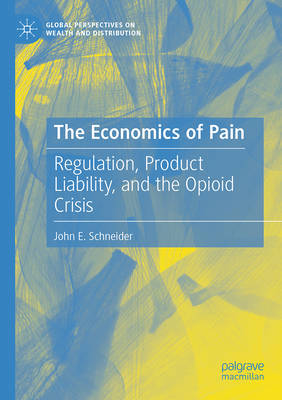
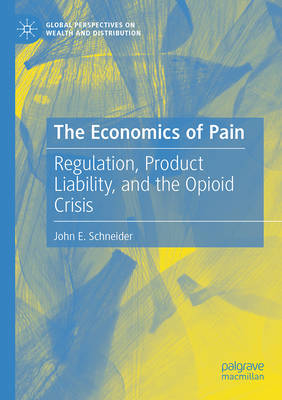
Product liability cases aimed at opioids have featured inflated damages and abatement costs, and responsibility for those costs has fallen on recognizable targets rather than true causal factors. Most opioid cases have ended in settlements, but such endings offer little in the way of closure to a problem that overwhelmed regulators and befuddled the entire medical profession. Courts were left to pick up the pieces, but the tools and data they were provided were woefully incomplete, with claimants incurring opioid-related costs but overstating future needs, and defendants unsure how to assess the impact of harms that they argued were too distant from their products--products that were used properly by the vast majority of users. This book synthesizes the information available following these court cases and breaks down the story of the opioid crisis from an economic perspective, rooted in the concepts of externalities, regulation, and organizational economics. Chapters analyze what happened, where things went wrong, and how we can work to reconfigure infrastructure that enabled the opioid crisis. Applying logical frameworks to often-reactionary systems, the book provides insight into product liability, epidemiology, the economics of externalities, regulatory failure, and alternative forms of governance. The resulting book helps readers confront the hardest-hitting questions, including: How could a crisis like this occur in one of the most regulated sectors of the economy? Will the lessons learned from the litigation prevent a situation like this from happening again?
Specificaties
Betrokkenen
- Auteur(s):
- Uitgeverij:
Inhoud
- Aantal bladzijden:
- 434
- Taal:
- Engels
- Reeks:
Eigenschappen
- Productcode (EAN):
- 9783032203540
- Verschijningsdatum:
- 27/05/2026
- Uitvoering:
- Hardcover
- Formaat:
- Genaaid
- Afmetingen:
- 148 mm x 210 mm


Alleen bij Standaard Boekhandel
+ 259 punten op je klantenkaart van Standaard Boekhandel
Cadeau

AANGERADEN


Beoordelingen
We publiceren alleen reviews die voldoen aan de voorwaarden voor reviews. Bekijk onze voorwaarden voor reviews.