


- Afhalen na 1 uur in een winkel met voorraad
- Gratis thuislevering in België vanaf € 30
- Ruim aanbod met 7 miljoen producten
- Afhalen na 1 uur in een winkel met voorraad
- Gratis thuislevering in België vanaf € 30
- Ruim aanbod met 7 miljoen producten





€ 304,45
+ 608 punten
Omschrijving
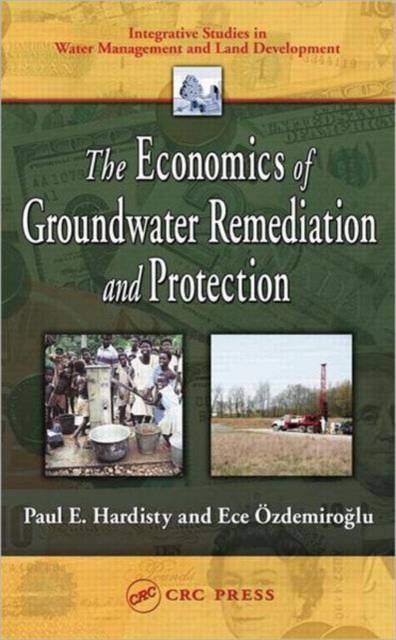
Economic literature is often too theoretical for engineers and policymakers to put into practical use, while scientific literature on the remediation of contaminated aquifers rarely considers costs and benefits. Written by a hydrogeologist and an economist, The Economics of Groundwater Remediation and Protection integrates economics and cost-benefit analysis tools with optimal protection and remediation strategies for groundwater resources. The book provides a thorough introduction of the concepts of groundwater flow and contaminant transport, and the basics of economic decision making techniques. It illustrates the types of risks and impacts caused by groundwater contamination, and the economic benefits of its remediation. The volume reviews a wide range of issues such as cost, implementation, and expectations of success for the latest remediation trends and techniques. The book shows how economic analysis can be used to determine how much we should pay for groundwater clean-up, and when spending too much - or too little - actually makes us all worse-off. The authors' step-by-step methodology for decision-making focuses on determining optimal remedial objectives, from containment to extensive cleanup, and the selection of least-cost alternatives. They use examples from their personal experience to illustrate the methodologies in action and put the issues into perspective. Combining the theoretical and practical aspects of science, policy, and economics, this book places the importance of groundwater remediation in the context of environmental economics, protection, and preservation. The Economics of Groundwater Remediation and Protection is also an excellent introduction to innovative solutions for funding remediation projects, education, and incentive programs, such as mitigation banking, land pollution credit schemes, and conservation credit alternatives.
Specificaties
Betrokkenen
- Auteur(s):
- Uitgeverij:
Inhoud
- Aantal bladzijden:
- 362
- Taal:
- Engels
- Reeks:
Eigenschappen
- Productcode (EAN):
- 9781566706438
- Verschijningsdatum:
- 1/12/2004
- Uitvoering:
- Hardcover
- Formaat:
- Genaaid
- Afmetingen:
- 161 mm x 241 mm
- Gewicht:
- 657 g


Alleen bij Standaard Boekhandel
+ 608 punten op je klantenkaart van Standaard Boekhandel
Cadeau

AANGERADEN


Beoordelingen
We publiceren alleen reviews die voldoen aan de voorwaarden voor reviews. Bekijk onze voorwaarden voor reviews.