


- Afhalen na 1 uur in een winkel met voorraad
- Gratis thuislevering in België vanaf € 30
- Ruim aanbod met 7 miljoen producten
- Afhalen na 1 uur in een winkel met voorraad
- Gratis thuislevering in België vanaf € 30
- Ruim aanbod met 7 miljoen producten





€ 39,95
+ 79 punten
Omschrijving
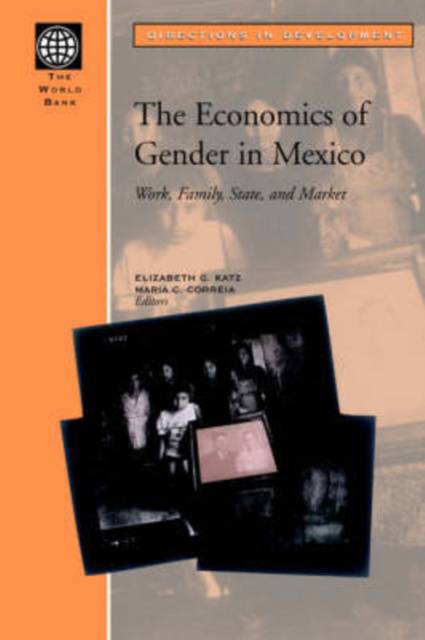
Mexico is experiencing significant demographic, social, and economic changes, and the distinct roles of women and men in the Mexican economy are changing as well. In both urban and rural areas, large numbers of young Mexican women are entering the labor force, and as girls' education reaches parity with boys, this trend will intensify. However, women continue to face special constraints on their economic activities which are largely related to their household roles and responsibilities. Macroeconomic change affects Mexican men, who must deal with shifting labor market opportunities and government policies. 'The Economics of Gender in Mexico' examines gender differences in the Mexican economy, with a specific focus on labor markets. Gender differences are reviewed over the course of a life cycle, beginning with education and child labor, and on through adult urban and rural labor force participation. This book also considers the situation of the elderly women and men in Mexico. Each chapter uses different data sources and analytical methodologies but the volume in its entirety is guided by a gender perspective that looks at the situation of both men and women as distinct groups and in relationship to one another. The chapters contain detailed quantitative analysis drawing on national labor force statistics, specialized regional household surveys, and firm-level data. This volume is based on the commissioning of a series of technical papers by the World Bank, in collaboration with several Mexican government agencies.
Specificaties
Betrokkenen
- Auteur(s):
- Uitgeverij:
Inhoud
- Aantal bladzijden:
- 326
- Taal:
- Engels
- Reeks:
Eigenschappen
- Productcode (EAN):
- 9780821348864
- Verschijningsdatum:
- 01/05/2001
- Uitvoering:
- Paperback
- Formaat:
- Trade paperback (VS)
- Afmetingen:
- 152 mm x 229 mm
- Gewicht:
- 471 g


Alleen bij Standaard Boekhandel
+ 79 punten op je klantenkaart van Standaard Boekhandel
Cadeau

AANGERADEN


Beoordelingen
We publiceren alleen reviews die voldoen aan de voorwaarden voor reviews. Bekijk onze voorwaarden voor reviews.