


- Afhalen na 1 uur in een winkel met voorraad
- Gratis thuislevering in België vanaf € 30
- Ruim aanbod met 7 miljoen producten
- Afhalen na 1 uur in een winkel met voorraad
- Gratis thuislevering in België vanaf € 30
- Ruim aanbod met 7 miljoen producten





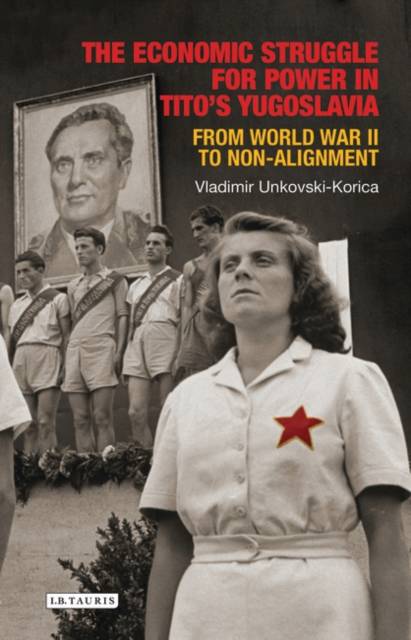
The Economic Struggle for Power in Tito's Yugoslavia
From World War II to Non-Alignment
Vladimir Unkovski-Korica
€ 322,45
+ 644 punten
Eenvoudig bestellen
Veilig betalen


Gratis thuislevering vanaf € 30 (via bpost)
Gratis levering in je Standaard Boekhandel
Omschrijving
Here, Vladimir Unkovski-Korica re-assesses the key episodes of Tito's rule - from the joint Stalin-Tito offensive of 1944, through to the Tito-Stalin split of 1948, the market reforms of the 1950s and the 'turn to the West' which led to Yugoslavia's non-alignment policy. For the first time, Unkovski-Korica also outlines Tito's internal battle with the Workers' Councils - empowered union bodies which emerged with the 'withering away of the party' in the early 1950s.The Economic Struggle for Power in Tito's Yugoslavia draws out the impact of the period economically and politically, and its long-term effects. A comprehensive history based on new archival research, this book will appeal to scholars and students of European Studies, International Relations and Politics, as well as to historians of the Balkans.
Specificaties
Betrokkenen
- Auteur(s):
- Uitgeverij:
Inhoud
- Aantal bladzijden:
- 304
- Taal:
- Engels
- Reeks:
Eigenschappen
- Productcode (EAN):
- 9781780763286
- Verschijningsdatum:
- 24/08/2016
- Uitvoering:
- Hardcover
- Formaat:
- Genaaid
- Afmetingen:
- 140 mm x 218 mm
- Gewicht:
- 544 g


Alleen bij Standaard Boekhandel
+ 644 punten op je klantenkaart van Standaard Boekhandel
CADEAU

AANGERADEN


Beoordelingen
We publiceren alleen reviews die voldoen aan de voorwaarden voor reviews. Bekijk onze voorwaarden voor reviews.