


- Afhalen na 1 uur in een winkel met voorraad
- Gratis thuislevering in België vanaf € 30
- Ruim aanbod met 7 miljoen producten
- Afhalen na 1 uur in een winkel met voorraad
- Gratis thuislevering in België vanaf € 30
- Ruim aanbod met 7 miljoen producten





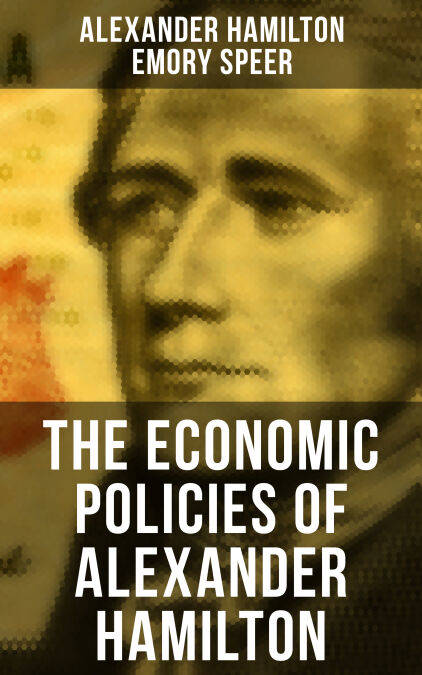
The Economic Policies of Alexander Hamilton E-BOOK
Works & Speeches of the Founder of American Financial System
Alexander Hamilton, Emory Speer
E-book | Engels
€ 0,99
Omschrijving
'The Economic Policies of Alexander Hamilton' is an illuminating anthology that draws together seminal essays and papers, offering a comprehensive examination of Alexander Hamilton's economic ideologies. The collection showcases a variety of literary styles, from analytical essays to historical documents, each contributing to a multi-faceted view of Hamilton's economic strategies during the formative years of the United States. This anthology not only explores Hamilton's own writings but also includes critical analyses and interpretative essays that provide historical context and underline the enduring relevance of his economic thoughts. The works encapsulated within this volume highlight thematic cores such as federalism, economic structuring, and fiscal policy, revealing the breadth of Hamilton's influence on modern economic theory. The anthology benefits immensely from the diverse backgrounds of its contributors, notably Emory Speer, whose legal expertise and historical knowledge offer profound insights into Hamiltonian economics. Drawing from late 19th and early 20th-century perspectives, Speer and others consider the implications of Hamilton's policies on contemporary economic practices, aligning historical economic policies with modern economic challenges and achievements. This fusion of perspectives from different eras enhances the anthology's depth, positioning it within broader socio-economic historical and contemporary debates. This book is essential for readers keen on understanding the complexities of economic leadership and its long-term implications on national policy making. It invites an in-depth exploration of Hamilton's economic thoughts, encouraging readers to appreciate the fusion of historic and modern economic discourse and the dialogues it sparks amongst scholars and policy thinkers. Engaging with this collection offers a unique educational journey through the landscape of one of America's foundational economic architects.
Specificaties
Betrokkenen
- Auteur(s):
- Uitgeverij:
Inhoud
- Aantal bladzijden:
- 597
- Taal:
- Engels
Eigenschappen
- Productcode (EAN):
- 9788027244157
- Verschijningsdatum:
- 1/11/2018
- Uitvoering:
- E-book
- Beveiligd met:
- Digital watermarking
- Formaat:
- ePub



Alleen bij Standaard Boekhandel
Cadeau

AANGERADEN


Beoordelingen
We publiceren alleen reviews die voldoen aan de voorwaarden voor reviews. Bekijk onze voorwaarden voor reviews.