



Je cadeautjes zeker op tijd in huis hebben voor de feestdagen? Kom langs in onze winkels en vind het perfecte geschenk!
- Afhalen na 1 uur in een winkel met voorraad
- Gratis thuislevering in België vanaf € 30
- Ruim aanbod met 7 miljoen producten
Je cadeautjes zeker op tijd in huis hebben voor de feestdagen? Kom langs in onze winkels en vind het perfecte geschenk!
- Afhalen na 1 uur in een winkel met voorraad
- Gratis thuislevering in België vanaf € 30
- Ruim aanbod met 7 miljoen producten





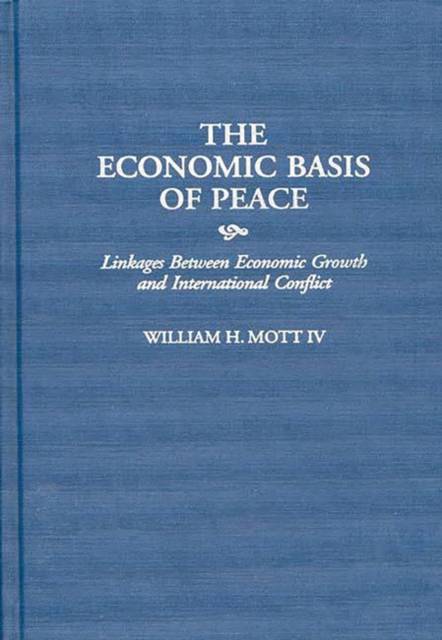
The Economic Basis of Peace
Linkages Between Economic Growth and International Conflict
William H Mott
€ 161,45
+ 322 punten
Omschrijving
William Mott examines the relationships between economic growth and international conflict in history and theory, developing and analyzing a set of observed empirical modern growth-conflict relationships over long periods, and presenting an explanation of the observations. After introducing the growth-conflict relationship as the unit of analysis, he identifies historical perceptions of the growth-conflict relationship from ancient times through the modern era. Mott offers an alternative theoretical construct for further investigation, and speculates about the impact of these results on orthodox political-economic theory. The results of this work carry powerful implications for national management of foreign direct investment and trade in both home countries and host nations.
Specificaties
Betrokkenen
- Auteur(s):
- Uitgeverij:
Inhoud
- Aantal bladzijden:
- 320
- Taal:
- Engels
- Reeks:
Eigenschappen
- Productcode (EAN):
- 9780313303661
- Verschijningsdatum:
- 16/07/1997
- Uitvoering:
- Hardcover
- Formaat:
- Genaaid
- Afmetingen:
- 163 mm x 244 mm
- Gewicht:
- 752 g


Alleen bij Standaard Boekhandel
+ 322 punten op je klantenkaart van Standaard Boekhandel
CADEAU


Beoordelingen
We publiceren alleen reviews die voldoen aan de voorwaarden voor reviews. Bekijk onze voorwaarden voor reviews.