


- Afhalen na 1 uur in een winkel met voorraad
- Gratis thuislevering in België vanaf € 30
- Ruim aanbod met 7 miljoen producten
- Afhalen na 1 uur in een winkel met voorraad
- Gratis thuislevering in België vanaf € 30
- Ruim aanbod met 7 miljoen producten





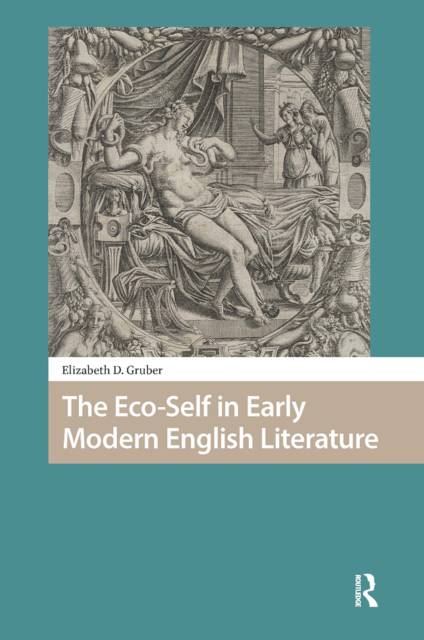
The Eco-Self in Early Modern English Literature
Elizabeth Gruber
€ 86,95
+ 173 punten
Omschrijving
Through analysis of Shakespeare, Marlowe, Webster, and Cavendish, the author reveals how this reconceptualized selfhood offered ecological benefits by valuing human rational capacities while maintaining environmental connection.
Specificaties
Betrokkenen
- Auteur(s):
- Uitgeverij:
Inhoud
- Aantal bladzijden:
- 238
- Taal:
- Engels
- Reeks:
Eigenschappen
- Productcode (EAN):
- 9781041187745
- Verschijningsdatum:
- 1/12/2025
- Uitvoering:
- Paperback
- Formaat:
- Trade paperback (VS)
- Afmetingen:
- 156 mm x 234 mm
- Gewicht:
- 340 g


Alleen bij Standaard Boekhandel
+ 173 punten op je klantenkaart van Standaard Boekhandel
CADEAU

AANGERADEN


Beoordelingen
We publiceren alleen reviews die voldoen aan de voorwaarden voor reviews. Bekijk onze voorwaarden voor reviews.