Standaard Boekhandel gebruikt cookies en gelijkaardige technologieën om de website goed te laten werken en je een betere surfervaring te bezorgen.
Hieronder kan je kiezen welke cookies je wilt inschakelen:
Technische en functionele cookies
Deze cookies zijn essentieel om de website goed te laten functioneren, en laten je toe om bijvoorbeeld in te loggen. Je kan deze cookies niet uitschakelen.
Analytische cookies
Deze cookies verzamelen anonieme informatie over het gebruik van onze website. Op die manier kunnen we de website beter afstemmen op de behoeften van de gebruikers.
Marketingcookies
Deze cookies delen je gedrag op onze website met externe partijen, zodat je op externe platformen relevantere advertenties van Standaard Boekhandel te zien krijgt.
Bedankt voor het vertrouwen het afgelopen jaar! Om jou te bedanken bieden we GRATIS verzending (in België) aan op alles gedurende de hele maand januari.
Afhalen na 1 uur in een winkel met voorraad
In januari gratis thuislevering in België
Ruim aanbod met 7 miljoen producten
Bedankt voor het vertrouwen het afgelopen jaar! Om jou te bedanken bieden we GRATIS verzending (in België) aan op alles gedurende de hele maand januari.
Je kan maximaal 250 producten tegelijk aan je winkelmandje toevoegen. Verwijdere enkele producten uit je winkelmandje, of splits je bestelling op in meerdere bestellingen.
In januari gratis thuislevering in België (via bpost)
Gratis levering in je Standaard Boekhandel
Omschrijving
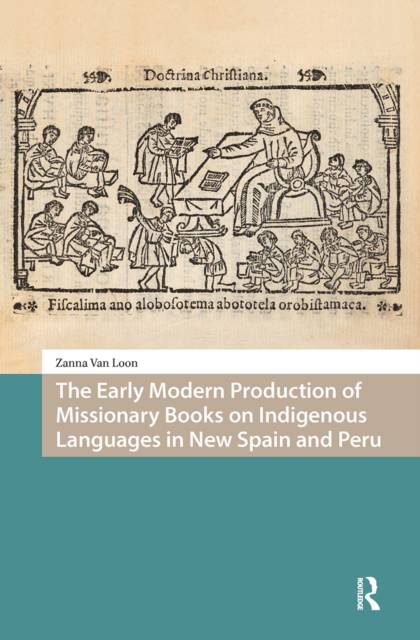
How do the social, material, and spatial processes underlying the making of early modern missionary grammars, vocabularies, and devotional translations deepen our understanding of their contents? The handwritten and printed missionary books produced in the Spanish viceroyalties of New Spain and Peru were key instruments designed to help study Indigenous languages in order to efficiently teach religious doctrine to local communities unfamiliar with European culture and religion. This volume considers these missionary books as physical and social objects and illuminates how a variety of factors determines their physical appearance, structure, and form, which in turn shape and guide the interpretation of their contents: people involved in its making; geographical and social circumstances and conditions of production; technologies, materials, and tools; genre and function(s) of the books; and intended readership, modes of distribution, and readerly responses.