


- Afhalen na 1 uur in een winkel met voorraad
- Gratis thuislevering in België vanaf € 30
- Ruim aanbod met 7 miljoen producten
- Afhalen na 1 uur in een winkel met voorraad
- Gratis thuislevering in België vanaf € 30
- Ruim aanbod met 7 miljoen producten





€ 140,95
+ 281 punten
Omschrijving
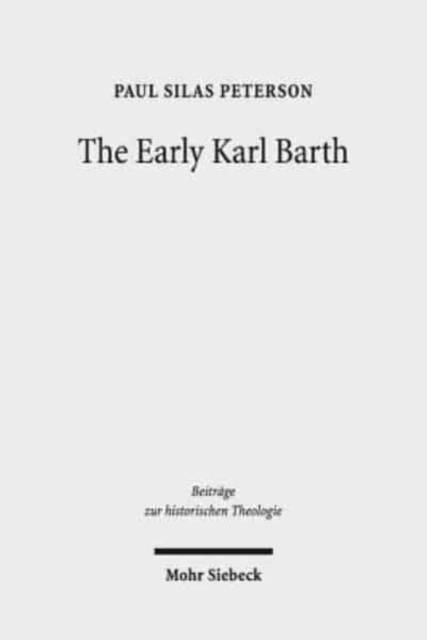
Paul Silas Peterson presents Karl Barth (1886-1968) in his sociopolitical, cultural, ecclesial and theological contexts from 1905 to 1935. The time period begins in 1905, as Barth began to prepare for a speech on the "social question" (which he held in 1906). It ends in 1935, the year he returned to Switzerland from Germany. In the foreground of Peterson's inquiry is Barth's relation to the features of his time, especially radical socialist ideology, WWI, an intellectual trend that would later be called the Conservative Revolution, the German Christians, the Young Reformation Movement, and National Socialism. Barth's view of and interaction with the Jews is also analyzed along with other issues, such as radical thinking, anti-liberalism, alterity, anti- or trans-historicism, Expressionism, and New Objectivity.
Specificaties
Betrokkenen
- Auteur(s):
- Uitgeverij:
Inhoud
- Aantal bladzijden:
- 474
- Taal:
- Engels
- Reeks:
Eigenschappen
- Productcode (EAN):
- 9783161553608
- Verschijningsdatum:
- 1/04/2018
- Uitvoering:
- Hardcover
- Formaat:
- Genaaid
- Afmetingen:
- 163 mm x 231 mm
- Gewicht:
- 861 g


Alleen bij Standaard Boekhandel
+ 281 punten op je klantenkaart van Standaard Boekhandel

Beoordelingen
We publiceren alleen reviews die voldoen aan de voorwaarden voor reviews. Bekijk onze voorwaarden voor reviews.