



Bedankt voor het vertrouwen het afgelopen jaar! Om jou te bedanken bieden we GRATIS verzending (in België) aan op alles gedurende de hele maand januari.
- Afhalen na 1 uur in een winkel met voorraad
- In januari gratis thuislevering in België
- Ruim aanbod met 7 miljoen producten
Bedankt voor het vertrouwen het afgelopen jaar! Om jou te bedanken bieden we GRATIS verzending (in België) aan op alles gedurende de hele maand januari.
- Afhalen na 1 uur in een winkel met voorraad
- In januari gratis thuislevering in België
- Ruim aanbod met 7 miljoen producten





€ 115,45
+ 230 punten
Omschrijving
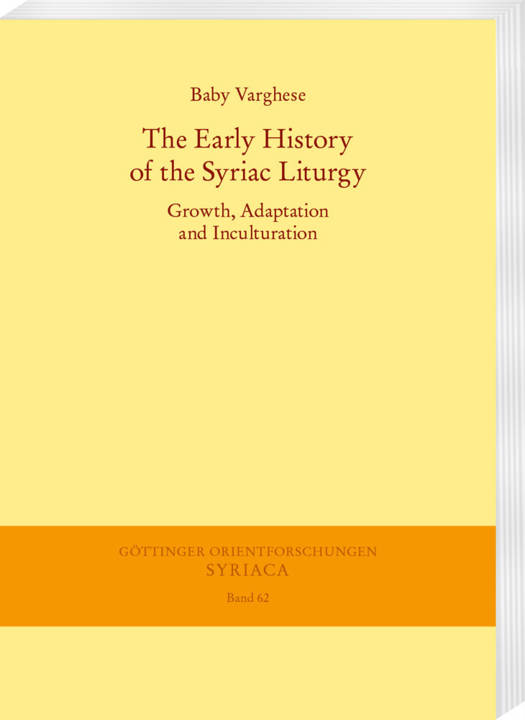
The present study is an overview of the general development of the Syriac liturgical traditions until the end of the 13th century. It traces some of the aspects of the encounter between Syriac Christianity and its surrounding cultural milieu. Literary genres and styles from the Early Jewish, Mesopotamian, Syro-Hellenistic and Arabic cultures were adapted in a process of encounter and inculturation. Along with Judaism, Mesopotamian pre-Christian and non-Christian cultures provided poetry, music and kinetic arts (gestures, movements and processions). The demonstrative piety of Antioch and Edessa has left traces of influence on the early Syriac liturgy. A few pagan and agrarian festivals were adapted, giving a Christian meaning. Throughout its history, Syriac liturgy is characterized by adaptability which is particularly evident in the history of the East Syriac Church in Central Asia and China where the liturgy was adapted to the culture of the nomadic tribes, introducing some unique para-liturgical practices.
Specificaties
Betrokkenen
- Auteur(s):
- Uitgeverij:
Inhoud
- Aantal bladzijden:
- 160
- Taal:
- Engels
- Reeks:
- Reeksnummer:
- nr. 62
Eigenschappen
- Productcode (EAN):
- 9783447117463
- Verschijningsdatum:
- 18/11/2021
- Uitvoering:
- Paperback
- Formaat:
- Trade paperback (VS)
- Afmetingen:
- 174 mm x 12 mm
- Gewicht:
- 3166 g


Alleen bij Standaard Boekhandel
+ 230 punten op je klantenkaart van Standaard Boekhandel
SOLDEN


Beoordelingen
We publiceren alleen reviews die voldoen aan de voorwaarden voor reviews. Bekijk onze voorwaarden voor reviews.