



Je cadeautjes zeker op tijd in huis hebben voor de feestdagen? Kom langs in onze winkels en vind het perfecte geschenk!
- Afhalen na 1 uur in een winkel met voorraad
- Gratis thuislevering in België vanaf € 30
- Ruim aanbod met 7 miljoen producten
Je cadeautjes zeker op tijd in huis hebben voor de feestdagen? Kom langs in onze winkels en vind het perfecte geschenk!
- Afhalen na 1 uur in een winkel met voorraad
- Gratis thuislevering in België vanaf € 30
- Ruim aanbod met 7 miljoen producten





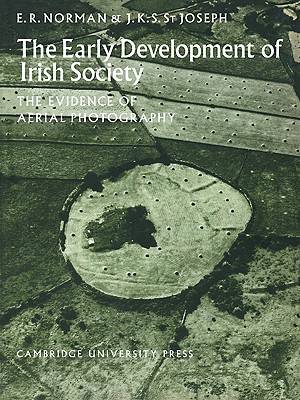
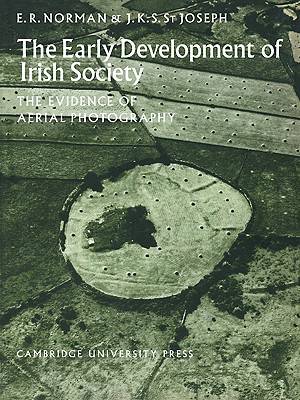
The Early Development of Irish Society
The Evidence of Aerial Photography
Edward R Norman, J K S St Joseph, E R Norman
€ 64,95
+ 129 punten
Omschrijving
The technique of aerial photography, widely recognized as of immense value to field archaeologists, had been little used in Ireland, although the relatively slight disturbance of land by modern ploughing or industrial development makes Ireland a particularly suitable region for the identification of ancient features by this method. The results of the surveys carried out by the Cambridge Committee for Aerial Photography between 1963 and 1968 are nevertheless surprising. Many ancient earthworks have been revealed by differences in soil-colour or crop-growth, and the natural and man-made environments of these and other prehistoric and early Christian settlements can be fully appreciated. The pattern of settlement emerges over a wide area, as does the character of large and complex sites such as Tara, while detailed oblique views pick out smaller structures invisible on the ground.
Specificaties
Betrokkenen
- Auteur(s):
- Uitgeverij:
Inhoud
- Aantal bladzijden:
- 140
- Taal:
- Engels
- Reeks:
Eigenschappen
- Productcode (EAN):
- 9780521089357
- Verschijningsdatum:
- 6/11/2008
- Uitvoering:
- Paperback
- Formaat:
- Trade paperback (VS)
- Afmetingen:
- 210 mm x 279 mm
- Gewicht:
- 331 g


Alleen bij Standaard Boekhandel
+ 129 punten op je klantenkaart van Standaard Boekhandel
CADEAU


Beoordelingen
We publiceren alleen reviews die voldoen aan de voorwaarden voor reviews. Bekijk onze voorwaarden voor reviews.