


- Afhalen na 1 uur in een winkel met voorraad
- Gratis thuislevering in België vanaf € 30
- Ruim aanbod met 7 miljoen producten
- Afhalen na 1 uur in een winkel met voorraad
- Gratis thuislevering in België vanaf € 30
- Ruim aanbod met 7 miljoen producten





€ 47,45
+ 94 punten
Omschrijving
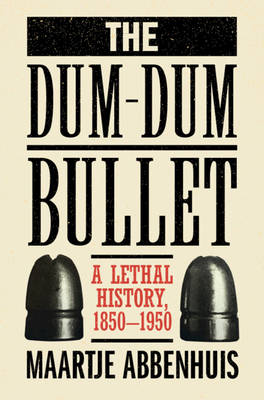
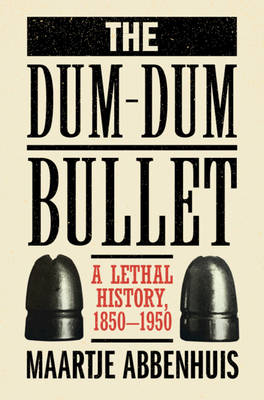
In this innovative and accessible history of small arms and gun violence, Maartje Abbenhuis reveals how the invention of ready-to-use rifle cartridges in the industrial era revolutionised gun violence on and off the battlefield and made death accessible to all. The most famous of these expanding bullets, which flooded the market from the 1850s onward, was the dum-dum bullet. This bullet fundamentally altered perceptions of who might use a gun and when. The book examines why, of all military inventions, this bullet was regulated by international law, and traces the changing landscape of public responses to its use and abuse through the many wars and instances of state violence during the first half of the twentieth century. It shows that the legal framing of this 'barbarous' ammunition helped to entrench public expectations around its unacceptability, yet also hid a world of actual violence that employed the same technology repeatedly.
Specificaties
Betrokkenen
- Auteur(s):
- Uitgeverij:
Inhoud
- Aantal bladzijden:
- 312
- Taal:
- Engels
Eigenschappen
- Productcode (EAN):
- 9781009712910
- Verschijningsdatum:
- 4/06/2026
- Uitvoering:
- Hardcover
- Formaat:
- Genaaid
- Afmetingen:
- 161 mm x 231 mm
- Gewicht:
- 553 g


Alleen bij Standaard Boekhandel
+ 94 punten op je klantenkaart van Standaard Boekhandel
Cadeau

AANGERADEN


Beoordelingen
We publiceren alleen reviews die voldoen aan de voorwaarden voor reviews. Bekijk onze voorwaarden voor reviews.