


- Afhalen na 1 uur in een winkel met voorraad
- Gratis thuislevering in België vanaf € 30
- Ruim aanbod met 7 miljoen producten
- Afhalen na 1 uur in een winkel met voorraad
- Gratis thuislevering in België vanaf € 30
- Ruim aanbod met 7 miljoen producten





€ 0,99
Omschrijving
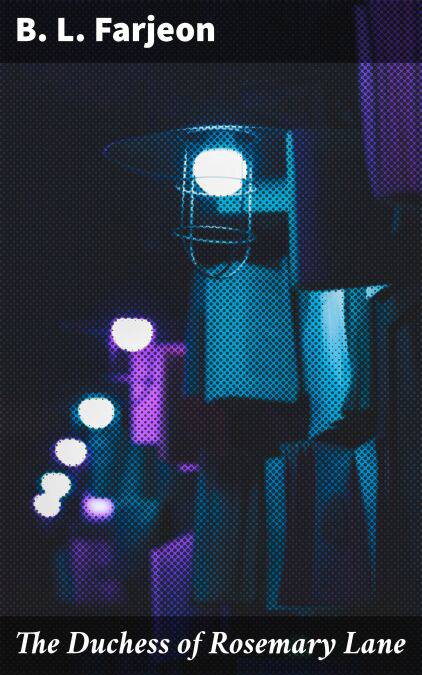
In "The Duchess of Rosemary Lane," B. L. Farjeon presents a captivating exploration of social dynamics in Victorian England, interweaving elements of comedy and drama with keen social observation. The narrative unfolds around the eccentric characters of Rosemary Lane, blending whimsy with poignant reflections on class, ambition, and love. Farjeon's prose is characterized by a rich, descriptive style that evokes the colorful essence of the era while maintaining a sharp wit that enhances the comedic undertone, making the novel both engaging and thought-provoking. The book is a notable example of the 'social comedy' genre, reminiscent of the works of Charles Dickens and George Bernard Shaw, while possessing a distinct voice that adds depth to its exploration of societal norms. B. L. Farjeon, a prolific writer and playwright, was notably influenced by the socio-political movements of his time, which often sought to illuminate the lives of the marginalized in society. His experiences as a journalist and his travels across Europe enriched his perspective, allowing him to weave complex characters and socially relevant themes into his narratives. These influences are particularly evident in "The Duchess of Rosemary Lane," where he skillfully critiques the rigid class structures of Victorian society. Readers seeking a delightful blend of humor and social commentary will find "The Duchess of Rosemary Lane" an enriching experience. Farjeon's adept storytelling and vibrant characterizations invite readers into a world where every encounter is layered with meaning, making it a compelling read for anyone interested in literary depictions of societal norms and human relationships.
Specificaties
Betrokkenen
- Auteur(s):
- Uitgeverij:
Inhoud
- Aantal bladzijden:
- 253
- Taal:
- Engels
Eigenschappen
- Productcode (EAN):
- 4064066215903
- Verschijningsdatum:
- 18/05/2021
- Uitvoering:
- E-book
- Beveiligd met:
- Digital watermarking
- Formaat:
- ePub


Alleen bij Standaard Boekhandel
Cadeau

AANGERADEN


Beoordelingen
We publiceren alleen reviews die voldoen aan de voorwaarden voor reviews. Bekijk onze voorwaarden voor reviews.