


- Afhalen na 1 uur in een winkel met voorraad
- Gratis thuislevering in België vanaf € 30
- Ruim aanbod met 7 miljoen producten
- Afhalen na 1 uur in een winkel met voorraad
- Gratis thuislevering in België vanaf € 30
- Ruim aanbod met 7 miljoen producten





€ 63,35
+ 126 punten
Omschrijving
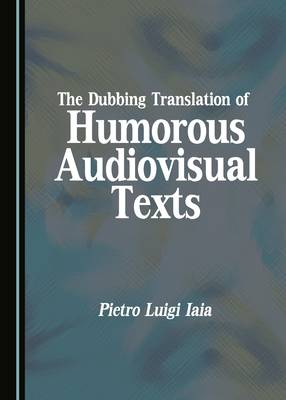
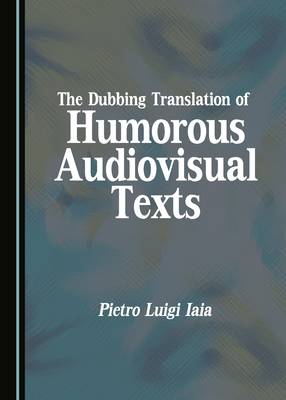
This book provides a theoretical and practical framework for researchers and practitioners who focus on the construction, interpretation and retextualisation of audiovisual texts. It defines translation as a communicative and interpretative process, with translators seen as cross-cultural mediators who make the denotative-semantic and connotative-pragmatic dimensions of source scripts accessible to target receivers, prompting equivalent perlocutionary effects, while still respecting the original illocutionary force. While existing research on audiovisual translation generally adopts a product-based perspective, examining the lexico-semantic and syntactic features of source and target versions, this book proposes an Interactive Model, in order to explore what happens in the translators' minds, as well as the influence of the interaction between the linguistic and extralinguistic dimensions in the construction and interpretation of audiovisual texts. The application of this Model to the analysis of a corpus of humorous films, TV series and video games foregrounds the integration between the analysis of the source-text features and the knowledge of the target linguacultural backgrounds in the creation of pragmalingustic equivalent scripts. At the same time, this book also provides valuable insights into the audience's reception of these translations, by submitting close-ended and open-ended questionnaires to subjects representing empirical receivers, thus helping to evaluate the degree of linguistic and functional equivalence of target versions.
Specificaties
Betrokkenen
- Auteur(s):
- Uitgeverij:
Inhoud
- Aantal bladzijden:
- 240
- Taal:
- Engels
Eigenschappen
- Productcode (EAN):
- 9781443880381
- Verschijningsdatum:
- 17/09/2015
- Uitvoering:
- Hardcover
- Formaat:
- Genaaid
- Afmetingen:
- 150 mm x 208 mm
- Gewicht:
- 476 g


Alleen bij Standaard Boekhandel
+ 126 punten op je klantenkaart van Standaard Boekhandel
Cadeau

AANGERADEN


Beoordelingen
We publiceren alleen reviews die voldoen aan de voorwaarden voor reviews. Bekijk onze voorwaarden voor reviews.