


- Afhalen na 1 uur in een winkel met voorraad
- Gratis thuislevering in België vanaf € 30
- Ruim aanbod met 7 miljoen producten
- Afhalen na 1 uur in een winkel met voorraad
- Gratis thuislevering in België vanaf € 30
- Ruim aanbod met 7 miljoen producten





Omschrijving
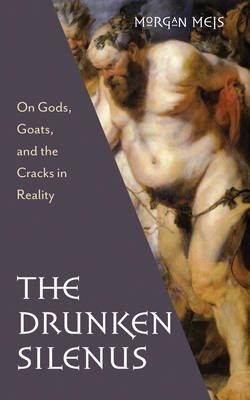
The Drunken Silenus is a book that is as hard to categorize as it is to put down--an enlightening and mesmerizing blend of philosophy, history, and art criticism. Morgan Meis begins simply enough, with a painting by the Baroque master Peter Paul Rubens of the figure from Greek mythology who is mentor to Dionysus, god of wine and excess of every kind. We learn who this obscure, minor god is--why he must attend on the god who dies and must be re-born and educated all over again--and why Rubens depicted him not as a character out of a farce, but as one whose plight evokes pity and compassion. The narrative spirals out from there, taking in the history of Antwerp, bloody seventeenth-century religious wars, tales of Rubens's father's near-execution for sleeping with William of Orange's wife, Nietzsche's Birth of Tragedy and the impossibility of there being any meaning to human life, and the destruction of all civilization by nefarious forces within ourselves. All of this is conveyed in language that crackles with intelligence, wit, and dark humor--a voice that at times sounds a bit tipsy and garrulous, but which ultimately asks us to confront the deepest questions of meaning, purpose, and hope in the face of death and tragedy.
Specificaties
Betrokkenen
- Auteur(s):
- Uitgeverij:
Inhoud
- Aantal bladzijden:
- 190
- Taal:
- Engels
Eigenschappen
- Productcode (EAN):
- 9781725254138
- Verschijningsdatum:
- 9/04/2020
- Uitvoering:
- Hardcover
- Formaat:
- Genaaid
- Afmetingen:
- 127 mm x 203 mm
- Gewicht:
- 312 g


Alleen bij Standaard Boekhandel
+ 69 punten op je klantenkaart van Standaard Boekhandel
Cadeau

AANGERADEN


Beoordelingen
We publiceren alleen reviews die voldoen aan de voorwaarden voor reviews. Bekijk onze voorwaarden voor reviews.