


- Afhalen na 1 uur in een winkel met voorraad
- Gratis thuislevering in België vanaf € 30
- Ruim aanbod met 7 miljoen producten
- Afhalen na 1 uur in een winkel met voorraad
- Gratis thuislevering in België vanaf € 30
- Ruim aanbod met 7 miljoen producten




€ 133,45
+ 266 punten
Omschrijving
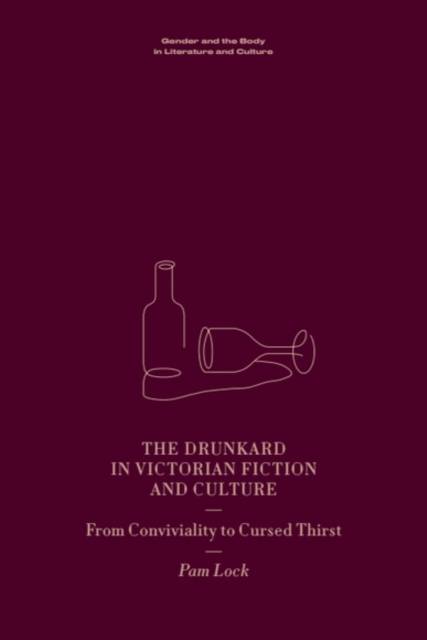
This book explores the fictional figure of the drunkard and why it was so important to Victorian thinking about what it meant to be human. From Jos's life-changing hangover in Vanity Fair to Henchard's twenty-one-year pledge of sobriety in The Mayor of Casterbridge, habitual drunkards were defining characters in nineteenth-century novels and short stories, creating chaos, joy, comedy, suffering and often their own destruction in works by authors like Charles Dickens, George Eliot, Wilkie Collins, Mary Elizabeth Braddon, Anne Brontë, Anthony Trollope and Thomas Hardy. Fiction played a key role in Victorian political discourses about the place of alcohol in society, fuelling the battle between temperance campaigners and defenders of moderation and pleasure, as well as disseminating and challenging new medical understanding of alcohol's effects on the body and mind. By examining gendered and classed representations of drunkenness, The Drunkard in Victorian Fiction and Culture also documents how women and working-class drinkers were portrayed more harshly than their male and higher-class counterparts, reflecting wider religious and moral prejudices of the time. Pam Lock demonstrates the importance of studying literary drunkards both as evidence of Victorian attitudes to alcohol and as cautionary figures that remind us of the fragility and preciousness of life.
Specificaties
Betrokkenen
- Auteur(s):
- Uitgeverij:
Inhoud
- Aantal bladzijden:
- 264
- Taal:
- Engels
- Reeks:
Eigenschappen
- Productcode (EAN):
- 9781399502221
- Verschijningsdatum:
- 31/05/2026
- Uitvoering:
- Hardcover
- Formaat:
- Genaaid
- Afmetingen:
- 156 mm x 234 mm


Alleen bij Standaard Boekhandel
+ 266 punten op je klantenkaart van Standaard Boekhandel
Cadeau

AANGERADEN


Beoordelingen
We publiceren alleen reviews die voldoen aan de voorwaarden voor reviews. Bekijk onze voorwaarden voor reviews.