


- Afhalen na 1 uur in een winkel met voorraad
- Gratis thuislevering in België vanaf € 30
- Ruim aanbod met 7 miljoen producten
- Afhalen na 1 uur in een winkel met voorraad
- Gratis thuislevering in België vanaf € 30
- Ruim aanbod met 7 miljoen producten





€ 63,45
+ 126 punten
Uitvoering
Omschrijving
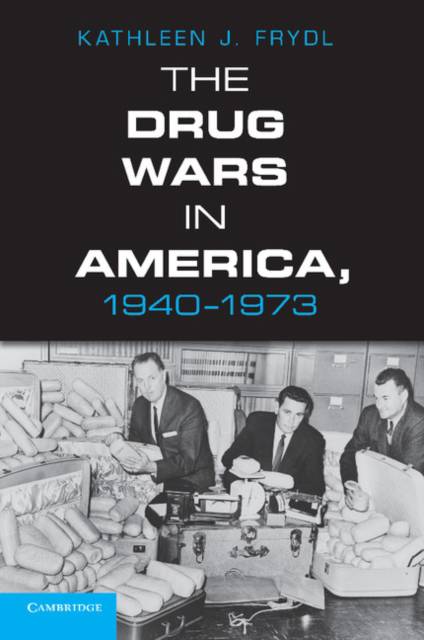
The Drug Wars in America, 1940-1973 argues that the U.S. government has clung to its militant drug war, despite its obvious failures, because effective control of illicit traffic and consumption were never the critical factors motivating its adoption in the first place. Instead, Kathleen J. Frydl shows that the shift from regulating illicit drugs through taxes and tariffs to criminalizing the drug trade developed from, and was marked by, other dilemmas of governance in an age of vastly expanding state power. Most believe the "drug war" was inaugurated by President Richard Nixon's declaration of a war on drugs in 1971, but in fact his announcement heralded changes that had taken place in the two decades prior. Frydl examines this critical interval of time between regulation and prohibition, demonstrating that the war on drugs advanced certain state agendas, such as policing inner cities or exercising power abroad. Although this refashioned approach mechanically solved some vexing problems of state power, it endowed the country with a cumbersome and costly "war" that drains resources and degrades important aspects of the American legal and political tradition.
Specificaties
Betrokkenen
- Auteur(s):
- Uitgeverij:
Inhoud
- Aantal bladzijden:
- 458
- Taal:
- Engels
Eigenschappen
- Productcode (EAN):
- 9781107697003
- Verschijningsdatum:
- 22/04/2013
- Uitvoering:
- Paperback
- Formaat:
- Trade paperback (VS)
- Afmetingen:
- 147 mm x 226 mm
- Gewicht:
- 589 g


Alleen bij Standaard Boekhandel
+ 126 punten op je klantenkaart van Standaard Boekhandel
Cadeau

AANGERADEN


Beoordelingen
We publiceren alleen reviews die voldoen aan de voorwaarden voor reviews. Bekijk onze voorwaarden voor reviews.