


- Afhalen na 1 uur in een winkel met voorraad
- Gratis thuislevering in België vanaf € 30
- Ruim aanbod met 7 miljoen producten
- Afhalen na 1 uur in een winkel met voorraad
- Gratis thuislevering in België vanaf € 30
- Ruim aanbod met 7 miljoen producten





€ 25,95
+ 51 punten
Uitvoering
Omschrijving
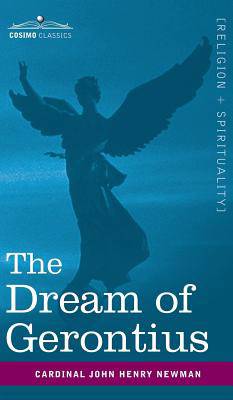
The Dream of Gerontius, first published in 1865, is Cardinal Newman's epic poem describing the descent of Gerontius, an Everyman character, into death and Purgatory. The poem opens with the old man's realization that his time has come. And once he has died, the story follows his soul through an encounter with angels and demons as he approaches the judgment of God. Dramatists will find this an interesting interpretation of the Christian vision of life after death. British theologian JOHN HENRY CARDINAL NEWMAN (1801-1890), a leading figure in both the Church of England and, after his conversion, the Roman Catholic Church, was known as ""The Father of the Second Vatican Council."" His Parochial and Plain Sermons (1834-42) is considered the best collection of sermons in the English language. He is also the author of A Grammar of Assent (1870).
Specificaties
Betrokkenen
- Auteur(s):
- Uitgeverij:
Inhoud
- Aantal bladzijden:
- 80
- Taal:
- Engels
Eigenschappen
- Productcode (EAN):
- 9781944529758
- Verschijningsdatum:
- 15/10/2007
- Uitvoering:
- Hardcover
- Formaat:
- Genaaid
- Afmetingen:
- 127 mm x 203 mm
- Gewicht:
- 213 g


Alleen bij Standaard Boekhandel
+ 51 punten op je klantenkaart van Standaard Boekhandel
Cadeau

AANGERADEN


Beoordelingen
We publiceren alleen reviews die voldoen aan de voorwaarden voor reviews. Bekijk onze voorwaarden voor reviews.