


- Afhalen na 1 uur in een winkel met voorraad
- Gratis thuislevering in België vanaf € 30
- Ruim aanbod met 7 miljoen producten
- Afhalen na 1 uur in een winkel met voorraad
- Gratis thuislevering in België vanaf € 30
- Ruim aanbod met 7 miljoen producten





€ 34,95
+ 69 punten
Omschrijving
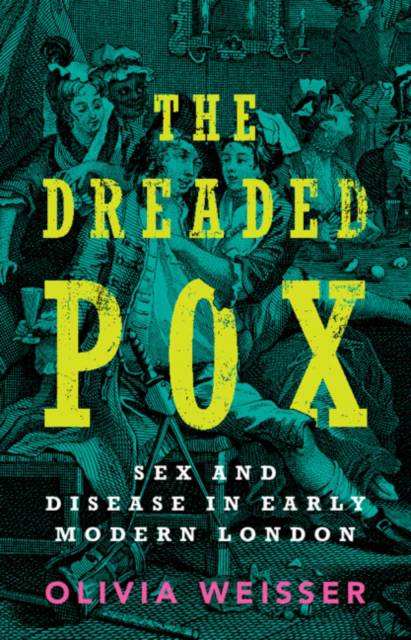
In the seventeenth and eighteenth centuries, venereal disease, or the 'pox, ' was a dreaded diagnosis throughout Europe. Its ghastly marks, along with their inexorable link to sex, were so stigmatizing that it was commonly called 'the secret disease.' How do we capture everyday experiences of a disease that so few people admitted having? Olivia Weisser's remarkable history invites readers into the teeming, vibrant pox-riddled streets of early modern London. She uncovers the lives of the poxed elite as well as of the maidservants and prostitutes who left few words behind, showing how marks of the disease offered a language for expressing acts that were otherwise unutterable. This new history of sex, stigma, and daily urban life takes readers down alleys where healers peddled their tinctures, enters kitchens and gardens where ordinary sufferers made cures, and listens in on intimate exchanges between patients and healers in homes and in taverns.
Specificaties
Betrokkenen
- Auteur(s):
- Uitgeverij:
Inhoud
- Aantal bladzijden:
- 246
- Taal:
- Engels
Eigenschappen
- Productcode (EAN):
- 9781009651875
- Verschijningsdatum:
- 19/02/2026
- Uitvoering:
- Hardcover
- Formaat:
- Genaaid
- Afmetingen:
- 149 mm x 219 mm
- Gewicht:
- 426 g



Alleen bij Standaard Boekhandel
+ 69 punten op je klantenkaart van Standaard Boekhandel
Cadeau

AANGERADEN


Beoordelingen
We publiceren alleen reviews die voldoen aan de voorwaarden voor reviews. Bekijk onze voorwaarden voor reviews.