


- Afhalen na 1 uur in een winkel met voorraad
- Gratis thuislevering in België vanaf € 30
- Ruim aanbod met 7 miljoen producten
- Afhalen na 1 uur in een winkel met voorraad
- Gratis thuislevering in België vanaf € 30
- Ruim aanbod met 7 miljoen producten





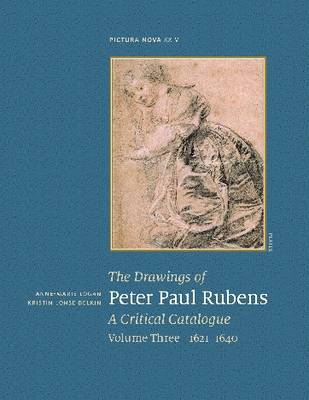
The Drawings of Peter Paul Rubens, a Critical Catalogue, Volume Three, 1621-1640
Part One: Text and Part Two: Plates
Kristin Lohse Belkin, Anne-Marie Logan
€ 265,00
+ 530 punten
Omschrijving
This is the final volume of the catalogue raisonne of the drawings by Peter Paul Rubens, covering the years 1621-1640. The project is a collaboration between Anne-Marie Logan, to whom belong all the Rubens attributions, and Kristin Lohse Belkin. It is the first publication that presents the artist's entire drawn oeuvre in chronological order, previous such publications containing only selections of drawings. Accordingly, Volume III consists of the drawings from 1621 to the artist's death in 1640. The first decade is characterized by Rubens's first foreign commission, the paintings for the Luxembourg Palace, Marie de' Medici, the Queen Mother's new residence in Paris, and by the demands of the artist's diplomatic missions to the courts of Madrid and London. In contrast to the works requested by Rubens's official duties, especially portraiture, a subject not of primary interest to the artist before, are the paintings and drawings of the second decade, predominantly inspired by the elderly painter's marriage to the young Helena Fourment and the love and deep affection for his wife and her children. Court portraits are replaced by images of his family a trois crayons, Rubens preferred medium in these years. Helena in disguise appears in the artist's religious, mythological and genre paintings, most gloriously in the series of drawings for The Garden of Love. Commissions for altarpieces continue but unlike the black chalk anatomical studies of the 1610s, preparatory drawings now consist of head studies in black and red chalk, the latter used for the capture and color of skin. At the same time, images of domestic bliss are accompanied by drawings of the Flemish countryside, especially after Rubens's purchase of the seignorial estate Het Steen in 1635. In addition, Rubens continues to design title-pages and even to make copies after older works of art that constitute such a large part of his earliest output. But the activity of copying the works of his predecessors for the purpose of artistic instruction now has turned into the antiquarian's pursuit of knowledge and the collector's desire and delight, as Rubens records ancient gems and cameos in a series of drawings with the aim of a scholarly publication that, however, never materialized. As in previous volumes, each entry consists of a detailed physical description of the drawing, provenance, exhibition history, full bibliography and a critical, interpretive discussion. All drawings by Rubens as well as a selection of comparative images are reproduced in color as far as possible.
Specificaties
Betrokkenen
- Auteur(s):
- Uitgeverij:
Inhoud
- Aantal bladzijden:
- 555
- Taal:
- Engels
- Reeks:
- Reeksnummer:
- nr. 24
Eigenschappen
- Productcode (EAN):
- 9782503599564
- Verschijningsdatum:
- 18/12/2025
- Uitvoering:
- Hardcover
- Formaat:
- Genaaid
- Gewicht:
- 2934 g


Alleen bij Standaard Boekhandel
+ 530 punten op je klantenkaart van Standaard Boekhandel
Cadeau

AANGERADEN


Beoordelingen
We publiceren alleen reviews die voldoen aan de voorwaarden voor reviews. Bekijk onze voorwaarden voor reviews.