


- Afhalen na 1 uur in een winkel met voorraad
- Gratis thuislevering in België vanaf € 30
- Ruim aanbod met 7 miljoen producten
- Afhalen na 1 uur in een winkel met voorraad
- Gratis thuislevering in België vanaf € 30
- Ruim aanbod met 7 miljoen producten





€ 50,23
+ 100 punten
Omschrijving
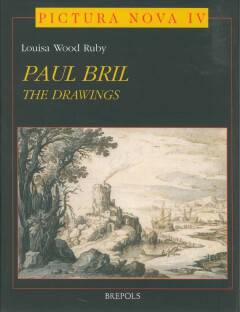
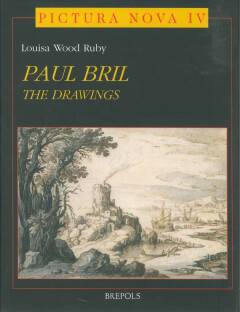
After defining Bril as a draughtsman, this study clarifies aspects of his working methods and determines the types and functions of his drawings. It places Bril in the context of contemporary landscape draughtmanship and analyzes Bril's specific contribution to the evolution of the genre in Rome, from the mannerist views of Girolamo Muziano to the pastoral landscapes and seascapes of Claude Lorrain. Bril's position as a guiding force to two generations of Netherlandish artists who visited Rome and the influence Bril exerted on the development of landscape is also investigated. The final section of the study is a catalogue raisonne of Bril's drawings. While any catalogue raisonne is by nature evolving, the attempt to establish a secure canon is very important in finally placing Bril and his contemporaries in the correct perspective.
Specificaties
Betrokkenen
- Auteur(s):
- Uitgeverij:
Inhoud
- Aantal bladzijden:
- 279
- Taal:
- Engels
- Reeks:
- Reeksnummer:
- nr. 4
- Geïllustreerd:
- Ja
Eigenschappen
- Productcode (EAN):
- 9782503505770
- Verschijningsdatum:
- 30/09/1999
- Uitvoering:
- Hardcover
- Formaat:
- Genaaid
- Afmetingen:
- 197 mm x 255 mm
- Gewicht:
- 1043 g


Alleen bij Standaard Boekhandel
+ 100 punten op je klantenkaart van Standaard Boekhandel
Cadeau

AANGERADEN


Beoordelingen
We publiceren alleen reviews die voldoen aan de voorwaarden voor reviews. Bekijk onze voorwaarden voor reviews.