


- Afhalen na 1 uur in een winkel met voorraad
- Gratis thuislevering in België vanaf € 30
- Ruim aanbod met 7 miljoen producten
- Afhalen na 1 uur in een winkel met voorraad
- Gratis thuislevering in België vanaf € 30
- Ruim aanbod met 7 miljoen producten





€ 92,45
+ 184 punten
Omschrijving
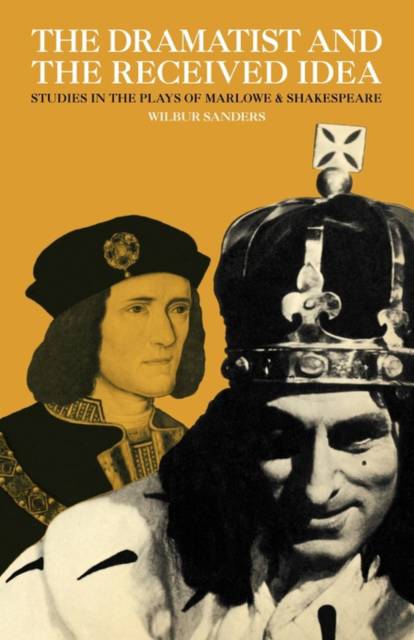
Dr Sanders' book grew out of uneasiness over commonly accepted ways of talking about Elizabethan literature. Phrases like 'world picture', 'received ideas' are so easily used that we bypass important questions: A picture of whose word? Ideas received by whom? and in what way? The heart of Dr Sanders' book is a critical account of seven plays by Marlowe and Shakespeare (The Massacre at Paris, The Jew of Malta, Edward II, Dr Faustus, Richard II, Richard III and Macbeth). In his examination, Dr Sanders is at pains to analyse the nature of the intellectual and cultural environment in which the plays were written, to define the ways in which this environment influenced Marlowe and Shakespeare and thus to come to a full understanding of the manner in which a work of art can be simultaneously 'of an age' and 'for all time'.
Specificaties
Betrokkenen
- Auteur(s):
- Uitgeverij:
Inhoud
- Aantal bladzijden:
- 400
- Taal:
- Engels
Eigenschappen
- Productcode (EAN):
- 9780521298001
- Verschijningsdatum:
- 15/05/1980
- Uitvoering:
- Paperback
- Formaat:
- Trade paperback (VS)
- Afmetingen:
- 140 mm x 216 mm
- Gewicht:
- 503 g



Alleen bij Standaard Boekhandel
+ 184 punten op je klantenkaart van Standaard Boekhandel
Cadeau

AANGERADEN


Beoordelingen
We publiceren alleen reviews die voldoen aan de voorwaarden voor reviews. Bekijk onze voorwaarden voor reviews.