


- Afhalen na 1 uur in een winkel met voorraad
- Gratis thuislevering in België vanaf € 30
- Ruim aanbod met 7 miljoen producten
- Afhalen na 1 uur in een winkel met voorraad
- Gratis thuislevering in België vanaf € 30
- Ruim aanbod met 7 miljoen producten





€ 48,45
+ 96 punten
Uitvoering
Omschrijving
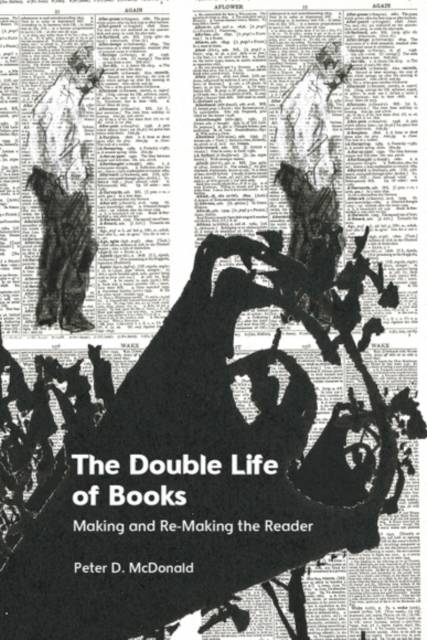
The Double Life of Books confronts a central challenge for the history of reading: how to investigate and then describe the elusive process of what the leading book historian Robert Darnton calls 'inner appropriation.' It does so by bringing two voices together for the first time: the so-called 'ordinary reader' who began life as a devotee of Dr Seuss's The Cat in the Hat and the literature professor who writes about the history of media and reading. Ranging across world literatures in English since the 1890s and drawing on the latest research into the neuroscience of the reading brain, The Double Life of Books is at once an exercise in materialist autobibliobiography, asking what it means to be a living reader in our multimedia age, and a sustained reflection on academic professionalization, raising new questions about the limits of disciplinarity and critique.
Specificaties
Betrokkenen
- Auteur(s):
- Uitgeverij:
Inhoud
- Aantal bladzijden:
- 264
- Taal:
- Engels
Eigenschappen
- Productcode (EAN):
- 9781399524414
- Verschijningsdatum:
- 31/01/2026
- Uitvoering:
- Paperback
- Formaat:
- Trade paperback (VS)
- Afmetingen:
- 156 mm x 234 mm
- Gewicht:
- 376 g


Alleen bij Standaard Boekhandel
+ 96 punten op je klantenkaart van Standaard Boekhandel
Cadeau

AANGERADEN


Beoordelingen
We publiceren alleen reviews die voldoen aan de voorwaarden voor reviews. Bekijk onze voorwaarden voor reviews.