


- Afhalen na 1 uur in een winkel met voorraad
- Gratis thuislevering in België vanaf € 30
- Ruim aanbod met 7 miljoen producten
- Afhalen na 1 uur in een winkel met voorraad
- Gratis thuislevering in België vanaf € 30
- Ruim aanbod met 7 miljoen producten





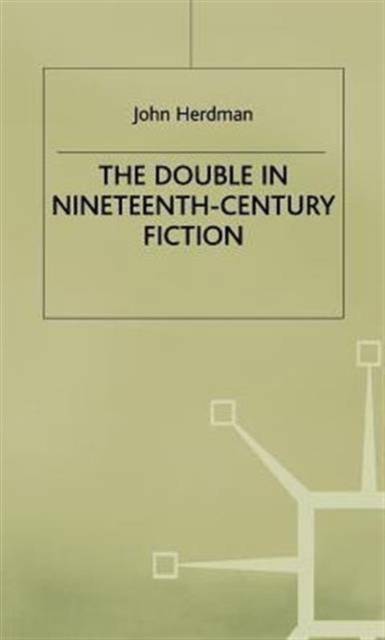
The Double in Nineteenth-Century Fiction
J Herdman
€ 167,95
+ 335 punten
Omschrijving
Duality and the divided mind have been a source of perennial fascination for literary artists and especially for novelists, and this is particularly true of the Romantic generation and their later nineteenth-century heirs. This book deals with the double, or Doppelgnger, as a dominant theme in the fiction of the period, and with its relation to the problem of evil. It suggests that the literary double flourished best when psychological and religious understandings of human dividedness were in harmony, and declined when they began to grow apart. Writers analysed include E.T.A.Hoffmann, James Hogg, Poe, Dostoevsky and Stevenson; the final chapter relates the theme to the psychology of Jung.
Specificaties
Betrokkenen
- Auteur(s):
- Uitgeverij:
Inhoud
- Aantal bladzijden:
- 174
- Taal:
- Engels
- Reeks:
Eigenschappen
- Productcode (EAN):
- 9780333490242
- Verschijningsdatum:
- 29/06/1990
- Uitvoering:
- Hardcover
- Formaat:
- Genaaid
- Afmetingen:
- 140 mm x 216 mm
- Gewicht:
- 385 g


Alleen bij Standaard Boekhandel
+ 335 punten op je klantenkaart van Standaard Boekhandel
Cadeau

AANGERADEN


Beoordelingen
We publiceren alleen reviews die voldoen aan de voorwaarden voor reviews. Bekijk onze voorwaarden voor reviews.