


- Afhalen na 1 uur in een winkel met voorraad
- Gratis thuislevering in België vanaf € 30
- Ruim aanbod met 7 miljoen producten
- Afhalen na 1 uur in een winkel met voorraad
- Gratis thuislevering in België vanaf € 30
- Ruim aanbod met 7 miljoen producten





€ 27,95
+ 55 punten
Omschrijving
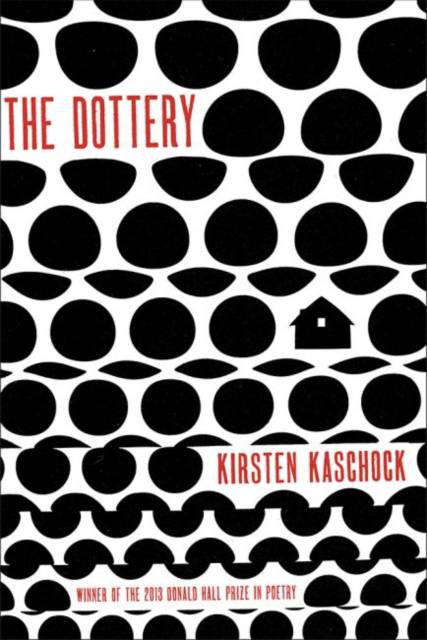
The Dottery is a tale of dotters before they are born. In this series of prose poems you meet their would-be-mutters, the buoys they will know, their inner warden, and the mutterers who cannot have them. The Dottery itself is a sort-of pre-purgatory, a finishing school for the fetal feminine. The five sections correspond to the conceptual set-ups interrogated within. In "wound," The Dottery is described, as are its inhabitants and their difficulties. In "Dual," a gender binary is introduced and (hopefully) eviscerated. "Triage" establishes the issues that plague both the dotters and those who would bring them out into the world--specifically into the idea of America (I'm Erica and I can prefer a hummer to the rose parade"). In "Fear," failed dotters (out in the world) are described in obit fashion. Finally, in "Thief" one mutterer recounts how she stole her dotter ("a snatched piece") to become a mutter and chronicles both her desires and regrets.
Specificaties
Betrokkenen
- Auteur(s):
- Uitgeverij:
Inhoud
- Aantal bladzijden:
- 88
- Taal:
- Engels
- Reeks:
Eigenschappen
- Productcode (EAN):
- 9780822963196
- Verschijningsdatum:
- 17/09/2014
- Uitvoering:
- Paperback
- Formaat:
- Trade paperback (VS)
- Afmetingen:
- 155 mm x 229 mm
- Gewicht:
- 145 g



Alleen bij Standaard Boekhandel
+ 55 punten op je klantenkaart van Standaard Boekhandel
Cadeau

AANGERADEN


Beoordelingen
We publiceren alleen reviews die voldoen aan de voorwaarden voor reviews. Bekijk onze voorwaarden voor reviews.