



Je cadeautjes zeker op tijd in huis hebben voor de feestdagen? Kom langs in onze winkels en vind het perfecte geschenk!
- Afhalen na 1 uur in een winkel met voorraad
- Gratis thuislevering in België vanaf € 30
- Ruim aanbod met 7 miljoen producten
Je cadeautjes zeker op tijd in huis hebben voor de feestdagen? Kom langs in onze winkels en vind het perfecte geschenk!
- Afhalen na 1 uur in een winkel met voorraad
- Gratis thuislevering in België vanaf € 30
- Ruim aanbod met 7 miljoen producten





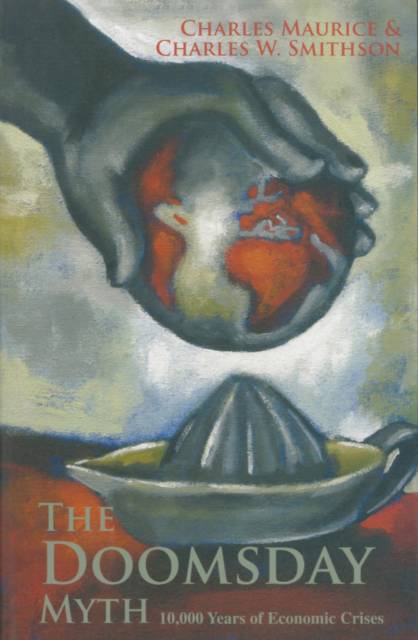
The Doomsday Myth
10,000 Years of Economic Crises
Charles Maurice, Charles W Smithson
Paperback | Engels
€ 19,45
+ 38 punten
Omschrijving
In The Doomsday Myth, Charles Maurice and Charles Smithson show that although doom merchants have been predicting imminent collapse from resource shortages as long as civilization has existed, no nation has ever fallen because of the depletion of a resource. They also show that government intervention has not been the solution to these crises. Instead, freely functioning markets with individuals acting in their own self-interest have eliminated shortages, and averted doomsday. The free market theme is the same one used by Adam Smith in The Wealth of Nations in 1776, but the need to restate it for new generations is urgent. The authors concluded that a resource-based doomsday will arrive only if we suspend the functioning of free markets.
Specificaties
Betrokkenen
- Auteur(s):
- Uitgeverij:
Inhoud
- Aantal bladzijden:
- 142
- Taal:
- Engels
Eigenschappen
- Productcode (EAN):
- 9780817979621
- Verschijningsdatum:
- 1/06/1984
- Uitvoering:
- Paperback
- Formaat:
- Trade paperback (VS)
- Afmetingen:
- 151 mm x 225 mm
- Gewicht:
- 272 g


Alleen bij Standaard Boekhandel
+ 38 punten op je klantenkaart van Standaard Boekhandel
CADEAU


Beoordelingen
We publiceren alleen reviews die voldoen aan de voorwaarden voor reviews. Bekijk onze voorwaarden voor reviews.