


- Afhalen na 1 uur in een winkel met voorraad
- Gratis thuislevering in België vanaf € 30
- Ruim aanbod met 7 miljoen producten
- Afhalen na 1 uur in een winkel met voorraad
- Gratis thuislevering in België vanaf € 30
- Ruim aanbod met 7 miljoen producten





€ 47,70
+ 95 punten
Omschrijving
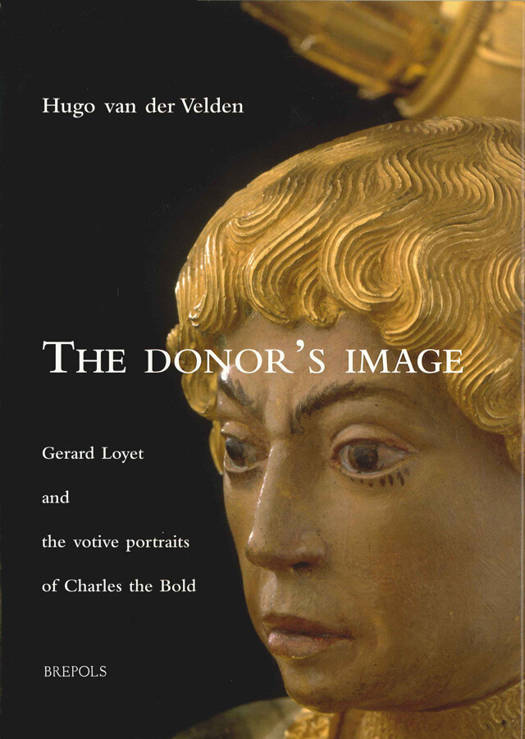
The references to Charles the Bold's work, which are largely drawn from the accounts of the chambres des comptes at Lille and Brussels, amply illustrate the aesthetic preferences of the Burgundian nobility. All the relevant documents, most of which have not been published before, appear in appendix I. The second part of the book reviews the votive portraits of Charles the Bold. The circumstances surrounding the commission of the Liege statuette - Loyet's sole surviving work - are discussed in detail, and all documents relating to the statuette are included in appendix II. In the second chapter of part II, the focus is on the statuette's iconography, which is unique for a votive gift. Charles's motives are further investigated in the final chapter of part II, which discusses the votive portraits that he donated to other shrines. In the third and final part, the attention shifts to votive gifts, and more specifically to the genre of votive portraits.
Specificaties
Betrokkenen
- Auteur(s):
- Uitgeverij:
Inhoud
- Aantal bladzijden:
- 388
- Taal:
- Engels
- Reeks:
- Reeksnummer:
- nr. 2
Eigenschappen
- Productcode (EAN):
- 9782503507224
- Verschijningsdatum:
- 15/08/2000
- Uitvoering:
- Hardcover
- Formaat:
- Genaaid
- Afmetingen:
- 189 mm x 259 mm
- Gewicht:
- 1242 g


Alleen bij Standaard Boekhandel
+ 95 punten op je klantenkaart van Standaard Boekhandel
Cadeau

AANGERADEN


Beoordelingen
We publiceren alleen reviews die voldoen aan de voorwaarden voor reviews. Bekijk onze voorwaarden voor reviews.