



Je cadeautjes zeker op tijd in huis hebben voor de feestdagen? Kom langs in onze winkels en vind het perfecte geschenk!
- Afhalen na 1 uur in een winkel met voorraad
- Gratis thuislevering in België vanaf € 30
- Ruim aanbod met 7 miljoen producten
Je cadeautjes zeker op tijd in huis hebben voor de feestdagen? Kom langs in onze winkels en vind het perfecte geschenk!
- Afhalen na 1 uur in een winkel met voorraad
- Gratis thuislevering in België vanaf € 30
- Ruim aanbod met 7 miljoen producten





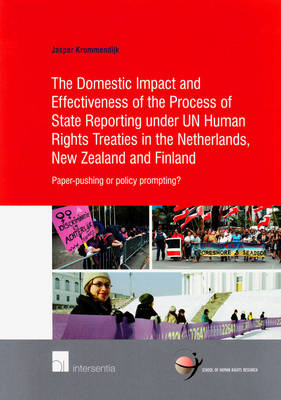
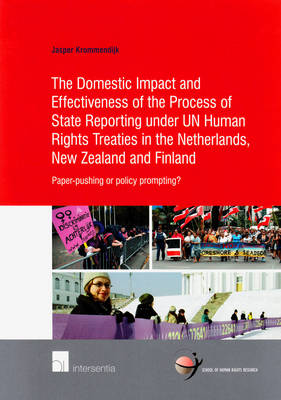
The Domestic Impact and Effectiveness of the Process of State Reporting Under the Un Rights Treaties
Paper-Pushing or Policy Prompting? Volume 63
Jasper Krommendijk
€ 101,00
+ 202 punten
Omschrijving
The number of international human rights treaties and monitoring mechanisms has grown considerably over the past decades. States are increasingly confronted with criticism as to their domestic human rights record. What is the effect of all these treaties, as well as the monitoring and criticism? Do they lead to changes and improvements? This book addresses such questions. It investigates the domestic impact and effectiveness of the process of State reporting under the six main UN human rights treaties in the Netherlands, New Zealand, and Finland. The focus is on the effectiveness of the recommendations of the treaty bodies and the extent to which policy or legislation is changed as a result of these recommendations. The book provides insights into the factors at both the national and international level which contribute to the effectiveness of the treaty bodies' recommendations. It is thorough in its approach, because it is based on an extensive analysis of a wide variety of documents, as well as 175 interviews with various domestic human rights stakeholders in the three countries. This includes government officials, NGO representatives, members of parliament, lawyers, judges, academics, and representatives from human rights and Ombudsman institutions. The book discusses a large number of concrete examples of effective recommendations of the treaty bodies to illustrate the major conclusions. (Series: School of Human Rights Research - Vol. 63)
Specificaties
Betrokkenen
- Auteur(s):
- Uitgeverij:
Inhoud
- Aantal bladzijden:
- 454
- Taal:
- Engels
- Reeks:
Eigenschappen
- Productcode (EAN):
- 9781780682440
- Verschijningsdatum:
- 4/07/2014
- Uitvoering:
- Paperback
- Formaat:
- Trade paperback (VS)
- Afmetingen:
- 170 mm x 240 mm
- Gewicht:
- 811 g


Alleen bij Standaard Boekhandel
+ 202 punten op je klantenkaart van Standaard Boekhandel
CADEAU


Beoordelingen
We publiceren alleen reviews die voldoen aan de voorwaarden voor reviews. Bekijk onze voorwaarden voor reviews.