


- Afhalen na 1 uur in een winkel met voorraad
- Gratis thuislevering in België vanaf € 30
- Ruim aanbod met 7 miljoen producten
- Afhalen na 1 uur in een winkel met voorraad
- Gratis thuislevering in België vanaf € 30
- Ruim aanbod met 7 miljoen producten





€ 25,95
+ 51 punten
Omschrijving
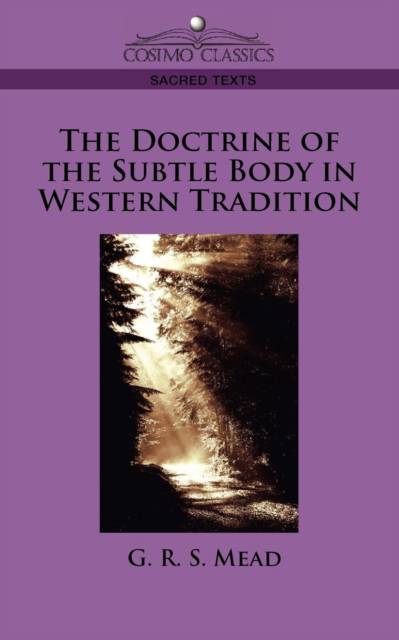
What... is the use, in the resurrection, of a body of flesh, blood, sinews, and bones, of limbs and organs for functions of the flesh, such as eating and drinking, excretion and procreation? Are we to continue to do all these things for eternity? -from "The Resurrection-Body" The concept that the physical body is but a manifestation of a more numinous expression of the soul sounds very Eastern to modern ears, but in fact it was one of the foundations of Christianity that the tradition abandoned long ago. In this short but profound study, first published in 1919, one of the greatest thinkers on the origins of Christianity and a renowned expert on Gnostic and Hermetic literature reconnects us with an ancient belief in the divine within us all that is, surprisingly, powerfully reflected in modern ideas about psychology and biology. No mystic himself, Mead instead finds a middle ground between superstitions of old and the oddities of advanced scientific thinking. Also available from Cosimo Classics: Mead's The Hymn of Jesus and Did Jesus Live 100 B.C.? British scholar and philosopher GEORGE ROBERT STOW MEAD (1863-1933) was educated at Cambridge University. He served as editor of The Theosophical Society's Theosophical Review, and later formed The Quest Society and edited its journal, The Quest Review. He is also the author of Notes on Nirvana (1893) and an 1896 translation of The Upanishads.
Specificaties
Betrokkenen
- Auteur(s):
- Uitgeverij:
Inhoud
- Aantal bladzijden:
- 116
- Taal:
- Engels
Eigenschappen
- Productcode (EAN):
- 9781596053786
- Verschijningsdatum:
- 1/11/2005
- Uitvoering:
- Paperback
- Formaat:
- Trade paperback (VS)
- Afmetingen:
- 127 mm x 203 mm
- Gewicht:
- 131 g


Alleen bij Standaard Boekhandel
+ 51 punten op je klantenkaart van Standaard Boekhandel
Cadeau

AANGERADEN


Beoordelingen
We publiceren alleen reviews die voldoen aan de voorwaarden voor reviews. Bekijk onze voorwaarden voor reviews.