



- Afhalen na 1 uur in een winkel met voorraad
- In januari gratis thuislevering in België
- Ruim aanbod met 7 miljoen producten
- Afhalen na 1 uur in een winkel met voorraad
- In januari gratis thuislevering in België
- Ruim aanbod met 7 miljoen producten





€ 30,00
+ 60 punten
Omschrijving
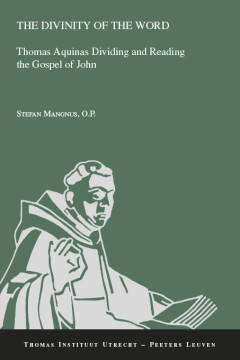
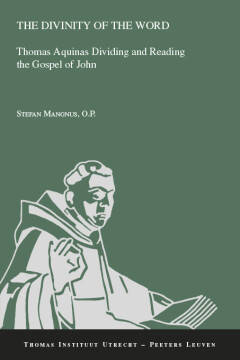
In the prologue to his commentary on the Fourth Gospel, St. Thomas Aquinas (1224/5-1274) states that while the other Gospels predominantly discuss the humanity of Christ, St. John the Evangelist focuses on the divinity of Christ. In the commentary itself, Thomas uses the divisio textus to structure the text, a technique that his contemporaries like St. Albert the Great and St. Bonaventure used as well. This study shows the divisio textus to be both a didactical tool that helps students get a grip on the Gospel text and a hermeneutical tool that gives essential insight into Thomas's interpretation of the Gospel. It shows that for Thomas, John 1 is the Gospel in a nutshell and that in his interpretation, what the Evangelist has to say about the divinity of the Word in Jn 1 is developed in the rest of the Gospel. The divisio textus is shown to be an indispensable tool for understanding Thomas's commentary on John, and Thomas's trinitarian interpretation of the Fourth Gospel is demonstrated to be based on a profound theology of the Word of God.
Specificaties
Betrokkenen
- Auteur(s):
- Uitgeverij:
Inhoud
- Aantal bladzijden:
- 239
- Taal:
- Engels
- Reeks:
- Reeksnummer:
- nr. 20
Eigenschappen
- Productcode (EAN):
- 9789042948211
- Verschijningsdatum:
- 18/01/2022
- Uitvoering:
- Paperback
- Formaat:
- Trade paperback (VS)
- Afmetingen:
- 156 mm x 238 mm
- Gewicht:
- 385 g


Alleen bij Standaard Boekhandel
+ 60 punten op je klantenkaart van Standaard Boekhandel
Cadeau

AANGERADEN


Beoordelingen
We publiceren alleen reviews die voldoen aan de voorwaarden voor reviews. Bekijk onze voorwaarden voor reviews.