


- Afhalen na 1 uur in een winkel met voorraad
- Gratis thuislevering in België vanaf € 30
- Ruim aanbod met 7 miljoen producten
- Afhalen na 1 uur in een winkel met voorraad
- Gratis thuislevering in België vanaf € 30
- Ruim aanbod met 7 miljoen producten




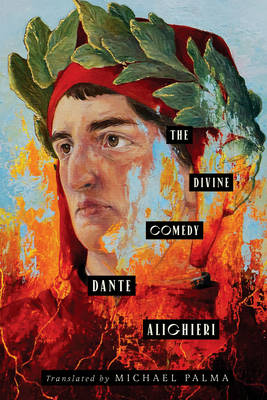
Omschrijving
When Michael Palma's translation of the Inferno appeared in 2002, it defied the conventional wisdom of literary commentators who had long argued that Dante's intricate terza rima form simply could not be rendered in "rhyme-poor" English. But Palma's achievement in rhyming tercets was quickly received as a spectacular feat of poetic artistry that was "accurate... admirably clear, and readable" (Richard Wilbur) and that, "in capturing the sense, sound, and spirit of the original... comes close to perfection" (X. J. Kennedy). Now, more than two decades later, Palma has applied the same virtuosic attention to the form and flow of the Purgatorio and Paradiso, attending to both the tiniest details and the grand design of the entire Commedia and offering a fluid and readable English version that reveals to contemporary readers the sound, sense, and awe-inspiring beauty of Italian literature's greatest poem.
Specificaties
Betrokkenen
- Auteur(s):
- Vertaler(s):
- Uitgeverij:
Inhoud
- Aantal bladzijden:
- 624
- Taal:
- Engels
Eigenschappen
- Productcode (EAN):
- 9781324098522
- Verschijningsdatum:
- 7/07/2026
- Uitvoering:
- Paperback
- Formaat:
- Trade paperback (VS)
- Afmetingen:
- 140 mm x 210 mm
- Gewicht:
- 1 g


Alleen bij Standaard Boekhandel
+ 60 punten op je klantenkaart van Standaard Boekhandel
AANGERADEN


Beoordelingen
We publiceren alleen reviews die voldoen aan de voorwaarden voor reviews. Bekijk onze voorwaarden voor reviews.