


- Afhalen na 1 uur in een winkel met voorraad
- Gratis thuislevering in België vanaf € 30
- Ruim aanbod met 7 miljoen producten
- Afhalen na 1 uur in een winkel met voorraad
- Gratis thuislevering in België vanaf € 30
- Ruim aanbod met 7 miljoen producten





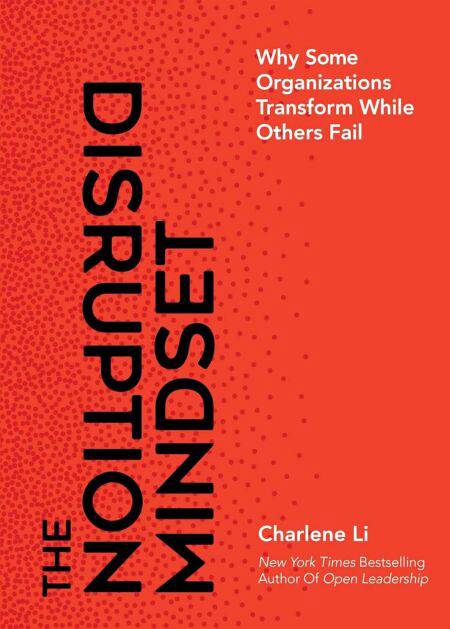
The Disruption Mindset E-BOOK
Why Some Organizations Transform While Others Fail
Charlene Li
E-book | Engels
€ 11,17
+ 11 punten
Omschrijving
Many companies make disruption their goal. They believe that if they develop the right innovation, they will disrupt their markets forever and drive the kind of growth worthy of a magazine cover story. But as bestselling author Charlene Li explains, that’s not how disruption works. Disruption doesn’t create growth; instead, growth creates disruption.
Growth is always hard, and disruptive growth is exponentially harder. It requires companies to make tough decisions in the face of daunting uncertainties: Should we bet our company’s future on next-generation customers or today’s reliable ones? Should we abandon our current business model for an entirely new one? Making bold changes demands bold leadership and, often, massive cultural transformation.
Over the years, Li has seen some organizations beat the odds and succeed at becoming disruptive: Adobe, ING Bank, Nokia, Southern New Hampshire University, and T-Mobile, among them. Their stories make it clear that organizations don’t have to be tech start-ups or have the latest innovations to transform. What they need to do is develop a disruptive mindset that permeates every aspect of the organization. Li lays out how to do so by focusing on three elements:
a strategy designed to meet the needs of future customers; leadership that creates a movement to drive and sustain transformation; and a culture that thrives on disruptive change.
Drawing on interviews with some of the most audacious people driving disruptive transformation today, Li will inspire leaders at all levels to answer the call to lead disruptive transformation in their organizations, communities, and society.
Growth is always hard, and disruptive growth is exponentially harder. It requires companies to make tough decisions in the face of daunting uncertainties: Should we bet our company’s future on next-generation customers or today’s reliable ones? Should we abandon our current business model for an entirely new one? Making bold changes demands bold leadership and, often, massive cultural transformation.
Over the years, Li has seen some organizations beat the odds and succeed at becoming disruptive: Adobe, ING Bank, Nokia, Southern New Hampshire University, and T-Mobile, among them. Their stories make it clear that organizations don’t have to be tech start-ups or have the latest innovations to transform. What they need to do is develop a disruptive mindset that permeates every aspect of the organization. Li lays out how to do so by focusing on three elements:
a strategy designed to meet the needs of future customers; leadership that creates a movement to drive and sustain transformation; and a culture that thrives on disruptive change.
Drawing on interviews with some of the most audacious people driving disruptive transformation today, Li will inspire leaders at all levels to answer the call to lead disruptive transformation in their organizations, communities, and society.
Specificaties
Betrokkenen
- Auteur(s):
- Uitgeverij:
Inhoud
- Aantal bladzijden:
- 220
- Taal:
- Engels
Eigenschappen
- Productcode (EAN):
- 9781646872589
- Verschijningsdatum:
- 16/09/2019
- Uitvoering:
- E-book
- Beveiligd met:
- Adobe DRM
- Formaat:
- ePub


Alleen bij Standaard Boekhandel
+ 11 punten op je klantenkaart van Standaard Boekhandel
Cadeau

AANGERADEN


Beoordelingen
We publiceren alleen reviews die voldoen aan de voorwaarden voor reviews. Bekijk onze voorwaarden voor reviews.