


- Afhalen na 1 uur in een winkel met voorraad
- Gratis thuislevering in België vanaf € 30
- Ruim aanbod met 7 miljoen producten
- Afhalen na 1 uur in een winkel met voorraad
- Gratis thuislevering in België vanaf € 30
- Ruim aanbod met 7 miljoen producten





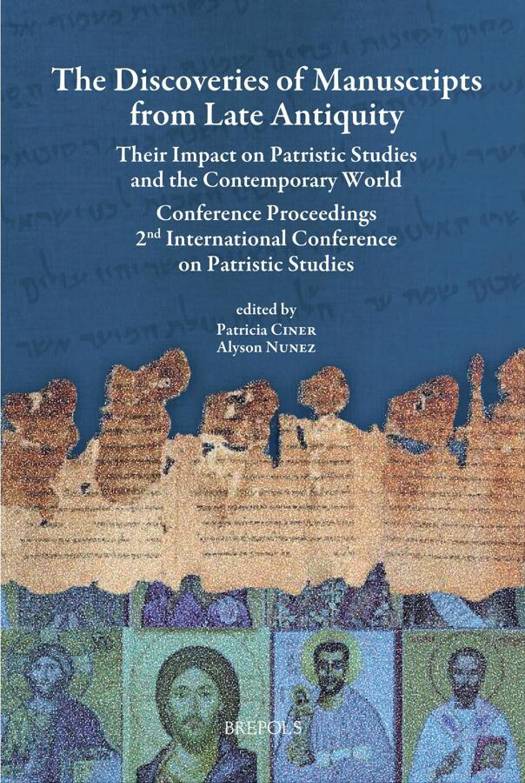
The Discoveries of Manuscripts from Late Antiquity
Their Impact on Patristic Studies and the Contemporary World (Conference Proceedings 2nd International Conference on Patristic Studies)
Ciner Patricia
€ 106,00
+ 212 punten
Eenvoudig bestellen
Veilig betalen


Gratis thuislevering vanaf € 30 (via bpost)
Gratis levering in je Standaard Boekhandel
Omschrijving
This book is an anthology of the proceedings from the Second International Conference on Patristic Studies: "The Discoveries of Manuscripts from Late Antiquity: Their Impact on Patristic Studies and the Contemporary World". This event was held in San Juan, Argentina in March 2017. Time has an obvious lineal component where past, present and future seem to play out inevitably on after the other. However, time also has an enigmatic and reversible component by which the past can transform the present and future. This mysterious aspect of time seems to have been revealed in the discoveries of the Manuscripts of Late Antiquity, manuscripts discovered during the 20th and 21st centuries. Apparently as if by chance, complete libraries of manuscripts as well as individual documents of great importance for our understanding of historical authors and situations have come to light after having been buried for millennia. Just some examples are the incredible discoveries of the Nag Hammadi Gnostic library, the Dead Sea Scrolls, Origen of Alexandria's homilies, Augustine's sermons. etc. These manuscripts are not passive documents. They pose numerous questions to specialists from a diverse array of fields, demanding new evaluations of a past that was thought to be already understood and judged. This event attempted to answer these and other questions with careful scientific rigor, seeking answers that enrich our understanding of both the specific field of Patristic Studies and the contemporary world in general.
Specificaties
Betrokkenen
- Auteur(s):
- Uitgeverij:
Inhoud
- Aantal bladzijden:
- 424
- Taal:
- Engels, Spaans
- Reeks:
Eigenschappen
- Productcode (EAN):
- 9782503591490
- Verschijningsdatum:
- 24/03/2022
- Uitvoering:
- Hardcover
- Formaat:
- Genaaid
- Afmetingen:
- 160 mm x 240 mm
- Gewicht:
- 938 g


Alleen bij Standaard Boekhandel
+ 212 punten op je klantenkaart van Standaard Boekhandel
CADEAU

AANGERADEN


Beoordelingen
We publiceren alleen reviews die voldoen aan de voorwaarden voor reviews. Bekijk onze voorwaarden voor reviews.