


- Afhalen na 1 uur in een winkel met voorraad
- Gratis thuislevering in België vanaf € 30
- Ruim aanbod met 7 miljoen producten
- Afhalen na 1 uur in een winkel met voorraad
- Gratis thuislevering in België vanaf € 30
- Ruim aanbod met 7 miljoen producten





€ 51,95
+ 103 punten
Omschrijving
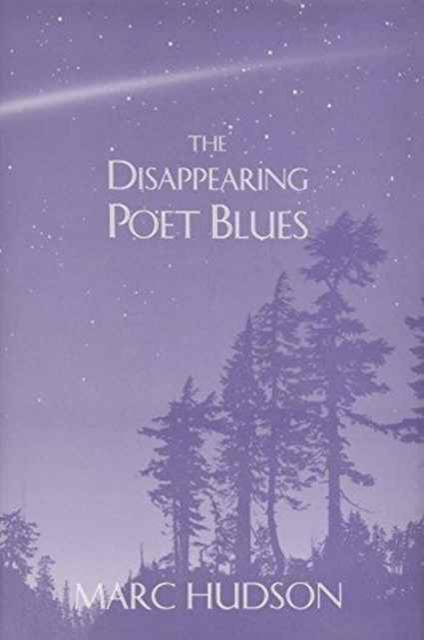
The poems in Marc Hudson's The Disappearing Poet Blues are driven by a moral anguish: how do we live, they ask, in strict circumstances; what is the worth of a profoundly limited human life; how can one be both a good father and a good artist? Emblematic of the poet's exile and endurance are the severe landscapes of the Okanogan in Washington State and the Colville Indian Reservation, where Hudsons brain-injured son, Ian, was born and lived his first year. Later poems reflect the familys move to Indiana, where the less austere contours of the Midwest suggest a mellowing of grief. The poems of the second section metaphorically wrestle with many of the same concerns: Caedmon, the first Anglo-Saxon Christian poet, tells of the burdens of song; an Irish monk on his volcanic outpost longs for his homecoming in Christ. Hudson's The Disappearing Poet Blues has an ethical music and weight; but ragged and uncertain and human as it is, it also sings the blues.
Specificaties
Betrokkenen
- Auteur(s):
- Uitgeverij:
Inhoud
- Aantal bladzijden:
- 81
- Taal:
- Engels
- Reeks:
Eigenschappen
- Productcode (EAN):
- 9781611481563
- Verschijningsdatum:
- 1/02/2002
- Uitvoering:
- Hardcover
- Formaat:
- Genaaid
- Afmetingen:
- 167 mm x 244 mm
- Gewicht:
- 340 g



Alleen bij Standaard Boekhandel
+ 103 punten op je klantenkaart van Standaard Boekhandel
Cadeau

AANGERADEN


Beoordelingen
We publiceren alleen reviews die voldoen aan de voorwaarden voor reviews. Bekijk onze voorwaarden voor reviews.