


- Afhalen na 1 uur in een winkel met voorraad
- Gratis thuislevering in België vanaf € 30
- Ruim aanbod met 7 miljoen producten
- Afhalen na 1 uur in een winkel met voorraad
- Gratis thuislevering in België vanaf € 30
- Ruim aanbod met 7 miljoen producten





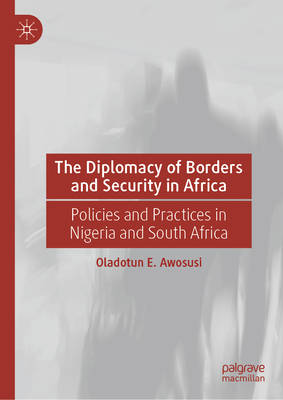
The Diplomacy of Borders and Security in Africa
Policies and Practices in Nigeria and South Africa
Oladotun E Awosusi
Hardcover | Engels
€ 140,95
+ 281 punten
Omschrijving
This book offers a theoretical and empirical explanation of the intersection of border, diplomacy, and security, with particular emphasis on the border policies and practices of Nigeria and South Africa in the context of border enforcement, cross-border concessions and agreements, visa regimes, migration control, and refugee policies. Primarily focusing on physical frontiers, particularly borderlands, the author draws on the African realist assumption of African international relations and the lived experience of state and non-state actors to explain the divergence and convergence in the border and security practices of the two states, emphasising African agency and experiential realities in the understanding and framing of the continent's experience. The book also examines the limitations to the effectiveness of the two states' border practices and how such factors impact not only their security landscapes but also the regional 'borderless Africa' agenda in the context of the AfCFTA and the continental-wide Free Movement Protocol.
Specificaties
Betrokkenen
- Auteur(s):
- Uitgeverij:
Inhoud
- Aantal bladzijden:
- 272
- Taal:
- Engels
Eigenschappen
- Productcode (EAN):
- 9783032271778
- Verschijningsdatum:
- 21/07/2026
- Uitvoering:
- Hardcover
- Formaat:
- Genaaid
- Afmetingen:
- 148 mm x 210 mm


Alleen bij Standaard Boekhandel
+ 281 punten op je klantenkaart van Standaard Boekhandel
Cadeau

AANGERADEN


Beoordelingen
We publiceren alleen reviews die voldoen aan de voorwaarden voor reviews. Bekijk onze voorwaarden voor reviews.