



- Afhalen na 1 uur in een winkel met voorraad
- In januari gratis thuislevering in België
- Ruim aanbod met 7 miljoen producten
- Afhalen na 1 uur in een winkel met voorraad
- In januari gratis thuislevering in België
- Ruim aanbod met 7 miljoen producten





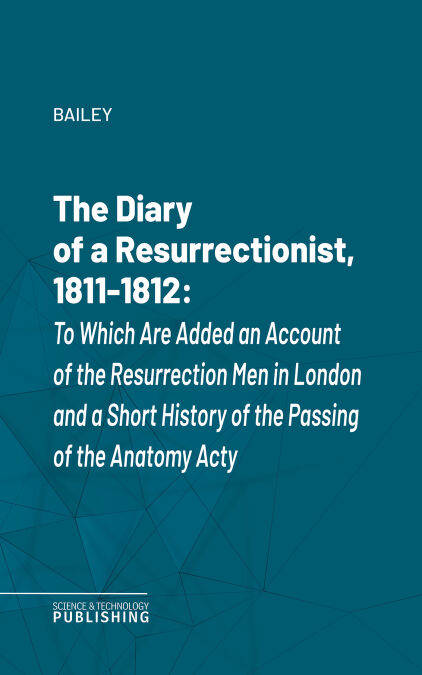
The Diary of a Resurrectionist, 1811-1812 E-BOOK
To Which Are Added an Account of the Resurrection Men in London and a Short History of the Passing of the Anatomy Act
Bailey
E-book | Engels
€ 19,99
+ 19 punten
Omschrijving
The Diary of a Resurrectionist, 1811-1812 offers a rare and fascinating glimpse into the shadowy world of body-snatching in early 19th-century London. This unique volume presents the actual diary of a professional resurrectionist—one of the men who exhumed corpses from graveyards to supply the insatiable demand for cadavers by medical schools and anatomists. The diary, covering the years 1811 to 1812, provides a day-by-day account of the clandestine operations, the risks, the profits, and the grim realities faced by those who trafficked in the dead. Readers are drawn into the secretive nocturnal activities, the methods used to evade watchmen and grieving families, and the complex network of surgeons, students, and criminals that made up the resurrection trade. In addition to the diary itself, the book includes a detailed account of the resurrection men in London, exploring their organization, techniques, and the social and legal context that allowed their trade to flourish. The narrative delves into the public outrage and moral panic that surrounded body-snatching, as well as the desperate need for anatomical specimens that drove otherwise respectable men to collude with criminals. The book also traces the history leading up to the passing of the Anatomy Act of 1832, a landmark piece of legislation that finally regulated the supply of bodies for medical study and put an end to the era of the resurrectionists. Richly annotated and meticulously researched, The Diary of a Resurrectionist, 1811-1812 is both a gripping true-crime narrative and an invaluable historical document. It sheds light on the dark underbelly of medical progress, the ethical dilemmas of the time, and the lives of those who operated in the shadows of Georgian London. For anyone interested in medical history, true crime, or the macabre, this book provides an unforgettable journey into a world where science and crime were inextricably linked.
Specificaties
Betrokkenen
- Auteur(s):
- Uitgeverij:
Inhoud
- Taal:
- Engels
Eigenschappen
- Productcode (EAN):
- 9782528106488
- Verschijningsdatum:
- 31/08/2025
- Uitvoering:
- E-book
- Formaat:
- ePub


Alleen bij Standaard Boekhandel
+ 19 punten op je klantenkaart van Standaard Boekhandel
Cadeau

AANGERADEN


Beoordelingen
We publiceren alleen reviews die voldoen aan de voorwaarden voor reviews. Bekijk onze voorwaarden voor reviews.