


- Afhalen na 1 uur in een winkel met voorraad
- Gratis thuislevering in België vanaf € 30
- Ruim aanbod met 7 miljoen producten
- Afhalen na 1 uur in een winkel met voorraad
- Gratis thuislevering in België vanaf € 30
- Ruim aanbod met 7 miljoen producten





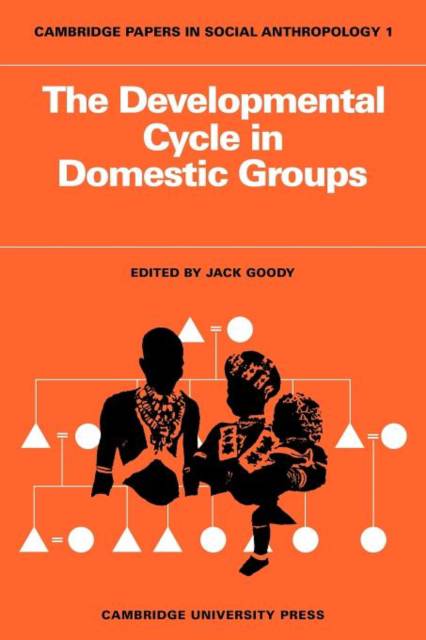
The Developmental Cycle in Domestic Groups
€ 67,95
+ 135 punten
Omschrijving
Social scientists, when making their studies of the structure of family groups, have often observed the current situation of a particular group of families and drawn conclusions from that static picture. Valuable as many of these conclusions may be, they are incomplete because they overlook the important fact that the structure of the family changes. These changes can be fitted into a developmental cycle in which the family or group changes in composition from its original two members to a larger group and finally two again. This book, originally published in 1958, is introduced by a substantial essay and reviews the papers collected here and discusses the theoretical background and implications of the use of the concept of the developmental cycle. The papers each demonstrate how the changing structure of the domestic group may be seen to explain otherwise obscure elements of the particular society.
Specificaties
Betrokkenen
- Uitgeverij:
Inhoud
- Aantal bladzijden:
- 154
- Taal:
- Engels
- Reeks:
- Reeksnummer:
- nr. 1
Eigenschappen
- Productcode (EAN):
- 9780521096607
- Verschijningsdatum:
- 31/10/1971
- Uitvoering:
- Paperback
- Formaat:
- Trade paperback (VS)
- Afmetingen:
- 152 mm x 229 mm
- Gewicht:
- 235 g

Alleen bij Standaard Boekhandel
+ 135 punten op je klantenkaart van Standaard Boekhandel
Cadeau

AANGERADEN


Beoordelingen
We publiceren alleen reviews die voldoen aan de voorwaarden voor reviews. Bekijk onze voorwaarden voor reviews.