


- Afhalen na 1 uur in een winkel met voorraad
- Gratis thuislevering in België vanaf € 30
- Ruim aanbod met 7 miljoen producten
- Afhalen na 1 uur in een winkel met voorraad
- Gratis thuislevering in België vanaf € 30
- Ruim aanbod met 7 miljoen producten





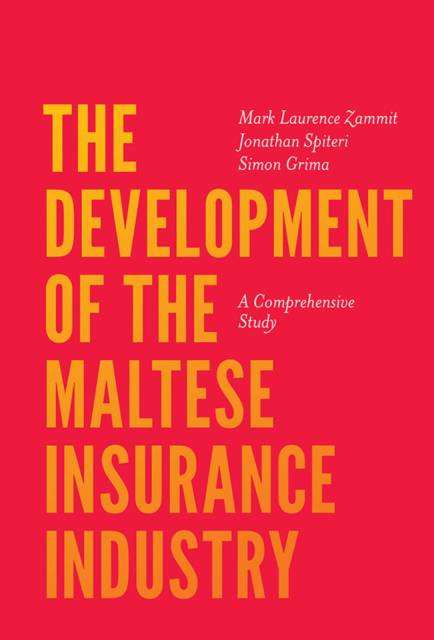
The Development of the Maltese Insurance Industry
A Comprehensive Study
Mark Laurence Zammit, Jonathan Spiteri, Simon Grima
Hardcover | Engels
€ 190,45
+ 380 punten
Omschrijving
Malta is the only country in the European Union, and one of only six countries in the world, that has not had a banking crisis since the 1970s. Despite its lack of raw materials, Malta currently has one of the lowest rates of unemployment and inflation in the EU, as well as a positive GDP. Yet there are only a few studies on the development of the industry that contributes most to its economy, the financial services industry.
Drawing upon empirical findings, archival research, and interviews, Zammit, Spiteri, and Grima fill a major gap in the literature by delivering a study of the development of the Maltese insurance industry. The authors collect literature and insights from prominent figureheads in order to outline the history of this major sector of the Maltese economy, tracing its roots back to the earliest inhabitants of the island, through to the expansion of its maritime trade, and working right up to the present with the emergence of more complex and sophisticated insurance services and products. The success of Malta's specific risk-management practices, generally characterized by risk-avoidance and prudence, is shown to have implications beyond Maltese financial policy and regulatory development: it offers concrete guidance from a small-scale "laboratory" for the complex policy and development decisions of larger nations.
This study is of interest to students and academics of insurance, risk management, and financial services, and it offers food for thought and guidance to practitioners and policy makers.
Drawing upon empirical findings, archival research, and interviews, Zammit, Spiteri, and Grima fill a major gap in the literature by delivering a study of the development of the Maltese insurance industry. The authors collect literature and insights from prominent figureheads in order to outline the history of this major sector of the Maltese economy, tracing its roots back to the earliest inhabitants of the island, through to the expansion of its maritime trade, and working right up to the present with the emergence of more complex and sophisticated insurance services and products. The success of Malta's specific risk-management practices, generally characterized by risk-avoidance and prudence, is shown to have implications beyond Maltese financial policy and regulatory development: it offers concrete guidance from a small-scale "laboratory" for the complex policy and development decisions of larger nations.
This study is of interest to students and academics of insurance, risk management, and financial services, and it offers food for thought and guidance to practitioners and policy makers.
Specificaties
Betrokkenen
- Auteur(s):
- Uitgeverij:
Inhoud
- Aantal bladzijden:
- 184
- Taal:
- Engels
Eigenschappen
- Productcode (EAN):
- 9781787569782
- Verschijningsdatum:
- 7/09/2018
- Uitvoering:
- Hardcover
- Formaat:
- Genaaid
- Afmetingen:
- 152 mm x 229 mm
- Gewicht:
- 376 g



Alleen bij Standaard Boekhandel
+ 380 punten op je klantenkaart van Standaard Boekhandel
AANGERADEN


Beoordelingen
We publiceren alleen reviews die voldoen aan de voorwaarden voor reviews. Bekijk onze voorwaarden voor reviews.