



Bedankt voor het vertrouwen het afgelopen jaar! Om jou te bedanken bieden we GRATIS verzending (in België) aan op alles gedurende de hele maand januari.
- Afhalen na 1 uur in een winkel met voorraad
- In januari gratis thuislevering in België
- Ruim aanbod met 7 miljoen producten
Bedankt voor het vertrouwen het afgelopen jaar! Om jou te bedanken bieden we GRATIS verzending (in België) aan op alles gedurende de hele maand januari.
- Afhalen na 1 uur in een winkel met voorraad
- In januari gratis thuislevering in België
- Ruim aanbod met 7 miljoen producten





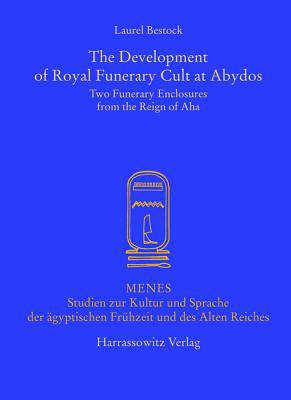
The Development of Royal Funerary Cult at Abydos
Two Funerary Enclosures from the Reign of Aha
Laurel Bestock
Paperback | Engels
€ 153,45
+ 306 punten
Omschrijving
Two of the most characteristic aspects of ancient Egyptian culture - kingship and a great attention to death - were present from a very early age. The first kings to rule all of Egypt came to power in approximately 3000 B.C., and the same kings were the first to have monumental tombs and funerary temples built. These early royal mortuary temples in particular are quite enigmatic, but the recent discovery of two previously unknown monuments at the site of Abydos is shedding new light on their development and use. Most surprisingly these temples are from the same reign, suggesting that members of the royal family in addition to the king might have received funerary cult in the early First Dynasty. This study documents the excavation of these two temples, their provision for the dedication of offerings, and the sacrificial burials that surrounded them. It sets these monuments within the framework of the rise of Egyptian kingship and cult, examining both continuities and innovations in royal mortuary practice during this formative period of Egyptian civilization.
Specificaties
Betrokkenen
- Auteur(s):
- Uitgeverij:
Inhoud
- Aantal bladzijden:
- 214
- Taal:
- Engels
Eigenschappen
- Productcode (EAN):
- 9783447058384
- Verschijningsdatum:
- 17/02/2010
- Uitvoering:
- Paperback
- Formaat:
- Trade paperback (VS)
- Afmetingen:
- 180 mm x 249 mm
- Gewicht:
- 566 g


Alleen bij Standaard Boekhandel
+ 306 punten op je klantenkaart van Standaard Boekhandel
SOLDEN


Beoordelingen
We publiceren alleen reviews die voldoen aan de voorwaarden voor reviews. Bekijk onze voorwaarden voor reviews.